For decades, disability support systems across the world have largely focused on helping individuals “fit into” society. The burden of adaptation has often fallen on the disabled person — learn better behaviours, improve communication, tolerate overwhelming environments, or become “work ready” for systems that were never designed with diversity in mind.
But a growing movement in disability and neurodiversity inclusion is asking a different question:
What if the problem is not the individual, but the systems surrounding them?
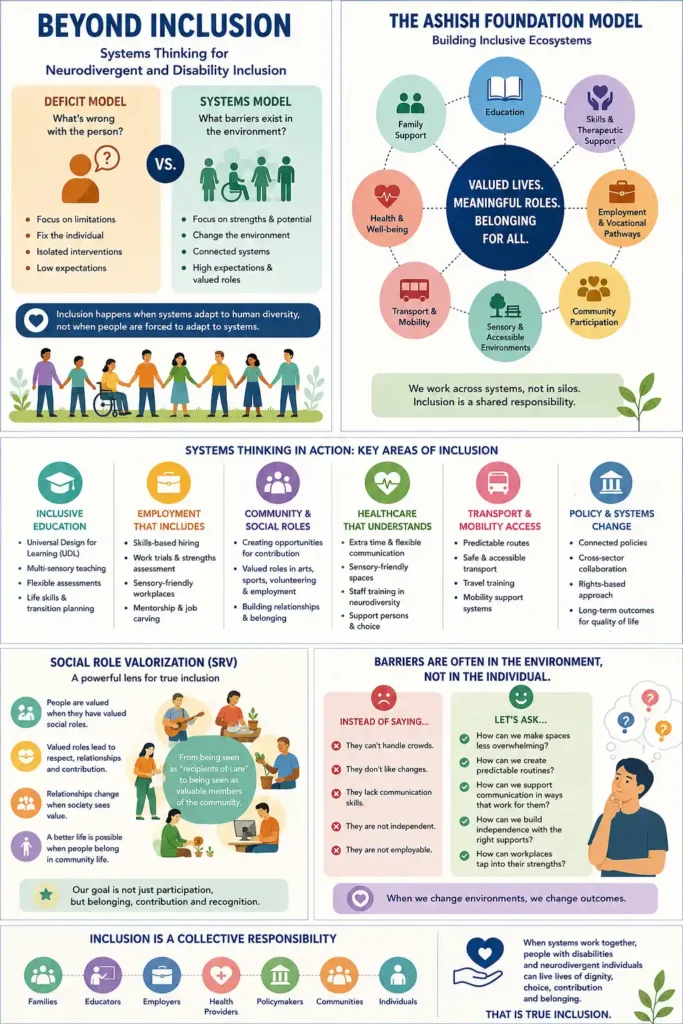
This is the foundation of systems thinking in disability inclusion — an approach that looks beyond isolated interventions and examines how schools, workplaces, healthcare systems, transportation, communities, policies, and social attitudes interact to either enable or restrict participation.
At Ashish Foundation, this systems-based understanding shapes much of our work with autistic individuals, neurodivergent persons, and people with developmental disabilities. Our approach is deeply influenced by the principles of Social Role Valorization (SRV), which emphasizes the importance of enabling people with disabilities to access valued social roles within society — roles that foster dignity, belonging, contribution, and meaningful relationships.

Moving Beyond the Deficit Model
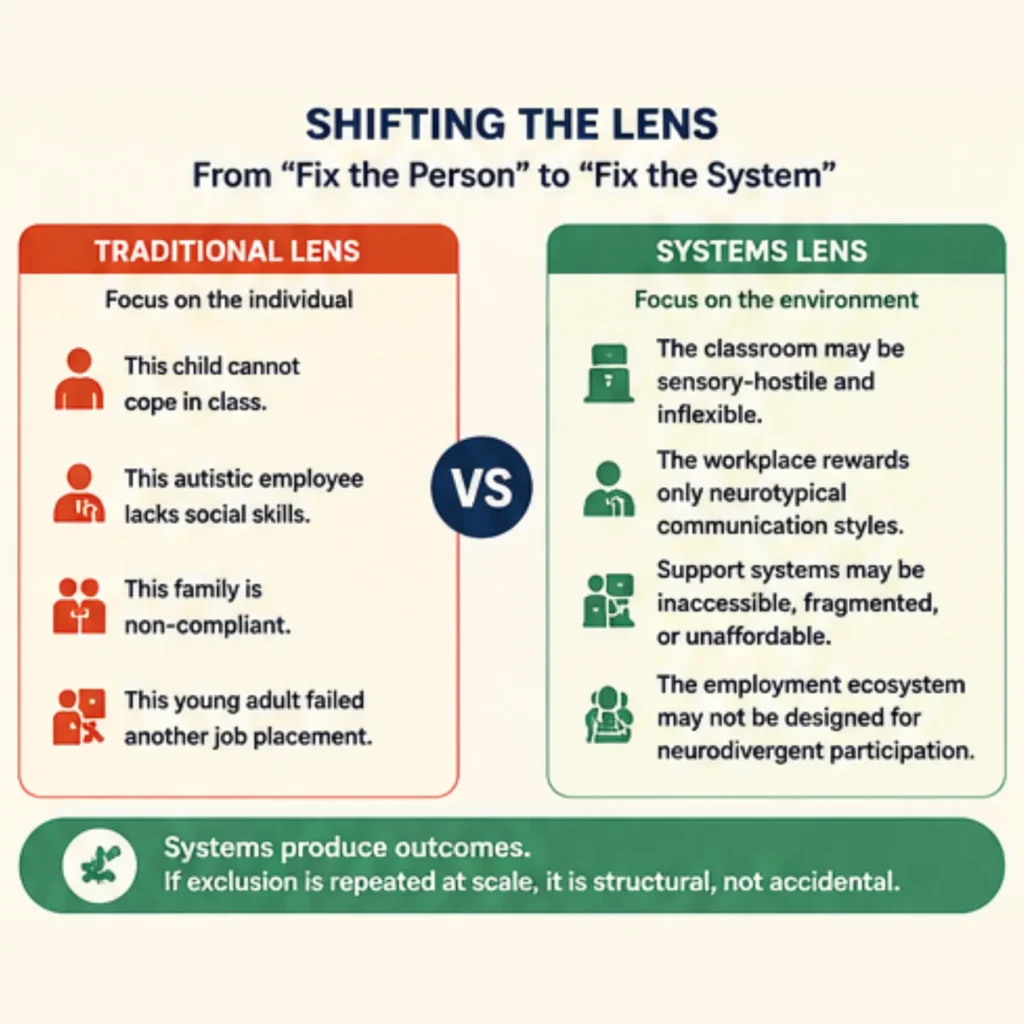
Traditional disability systems have often operated from a deficit-based lens:
- What skills does the individual lack?
- How can behaviour be corrected?
- How can the person become more “normal”?
While therapies and skill development remain important, systems thinking shifts the conversation toward broader environmental and structural questions:
- What barriers exist within schools, workplaces, and communities?
- How do policies unintentionally exclude people?
- What assumptions define “acceptable” communication or behaviour?
- How can systems adapt to human diversity instead of demanding conformity?
This shift is especially important for neurodivergent individuals whose ways of communicating, processing sensory information, learning, or socializing may differ from dominant expectations.
Inclusion cannot simply mean allowing someone to enter a space. True inclusion means redesigning environments so people can meaningfully participate, contribute, and belong.
The Ashish Foundation Model: Building Inclusive Ecosystems
At Ashish Foundation, we have increasingly recognized that sustainable inclusion requires more than isolated services. It requires ecosystems of support.
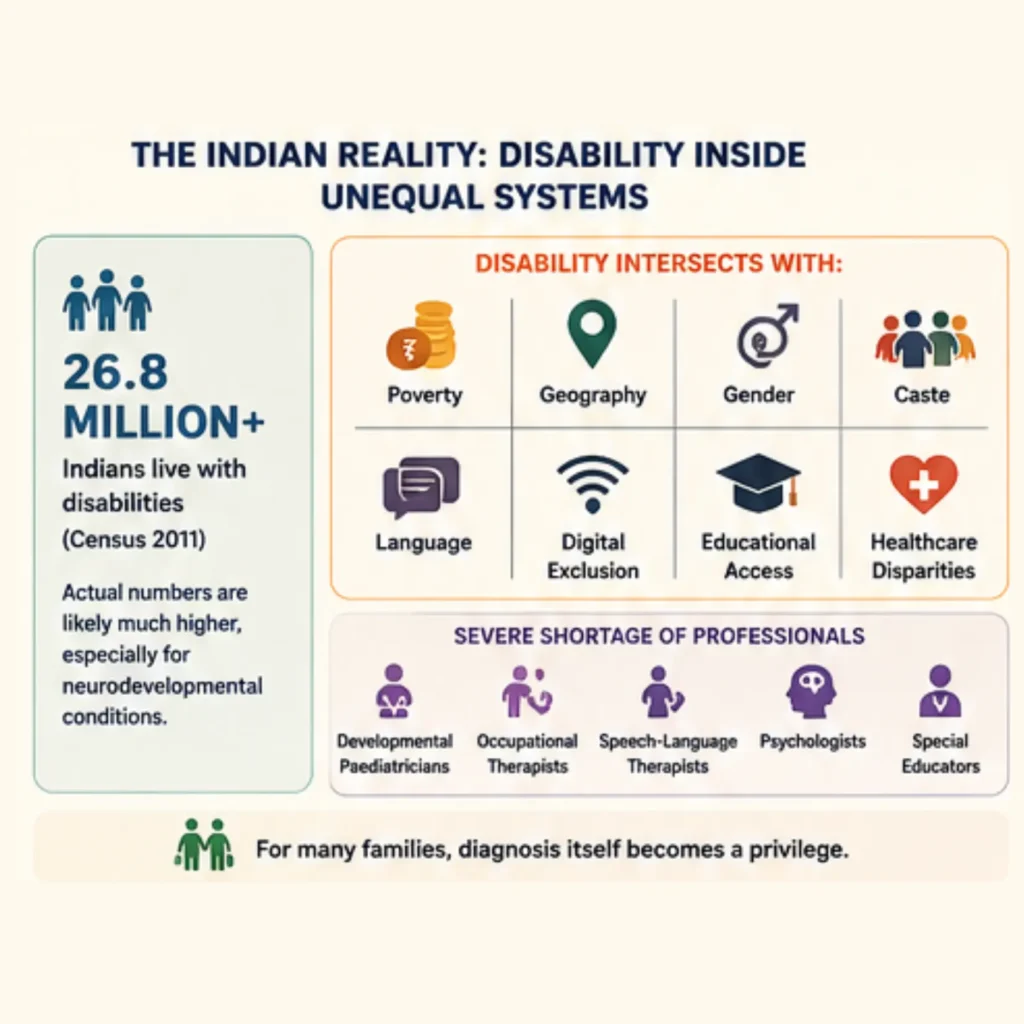
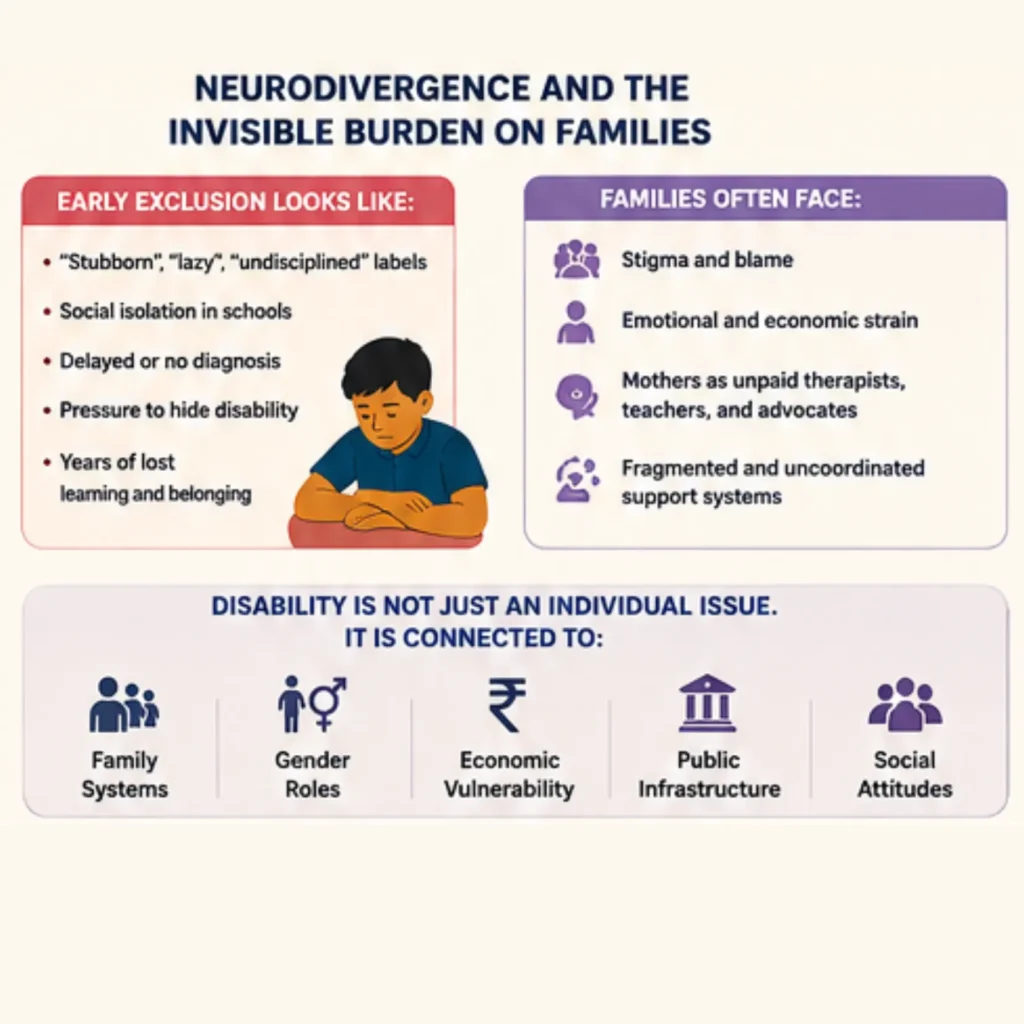
For many families of autistic and developmentally disabled individuals, challenges do not exist in only one area of life. A young adult may have skills and potential, yet still face barriers because:
- transport systems are inaccessible,
- workplaces are inflexible,
- communities lack understanding,
- educational systems focus only on academics,
- or families receive little long-term support.
This is why our model seeks to engage multiple systems together rather than addressing disability in fragmented ways.
Creating Valued Social Roles
A central principle of SRV is that society tends to respond more positively to people who hold valued social roles. When disabled individuals are seen only as “patients,” “charity beneficiaries,” or “service users,” exclusion often deepens.
But when individuals are supported to become:
- artists,
- bakers,
- gardeners,
- volunteers,
- employees,
- performers,
- teammates,
- neighbours,
- friends,
- leaders,
their visibility, relationships, and social value begin to shift.
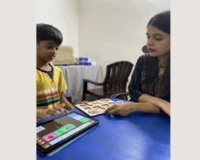
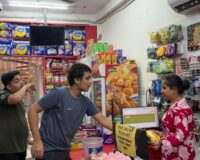
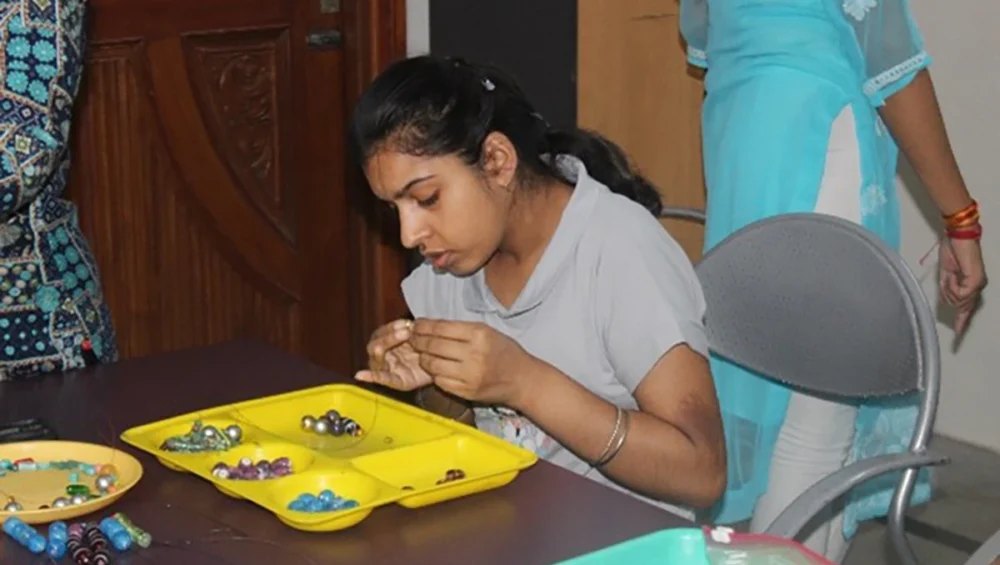
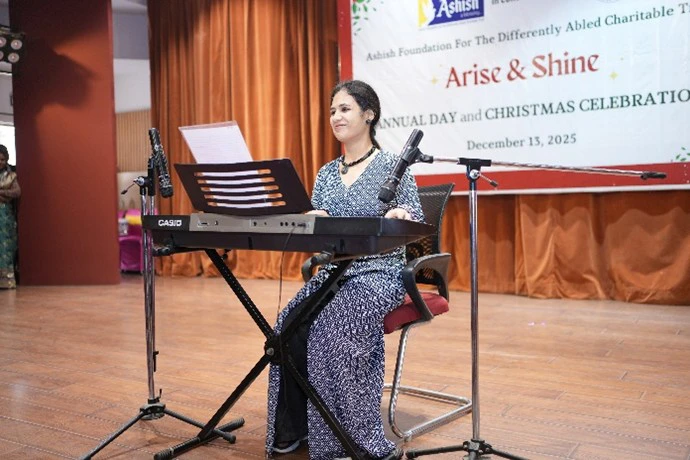
At Ashish Foundation, activities in art, music, life skills, community engagement, vocational training, and social participation are not merely recreational. They are pathways toward identity, contribution, and belonging.
The goal is not simply to keep individuals occupied — it is to help build meaningful and respected roles within the community.
Inclusion in Education: Rethinking Success
Many neurodivergent students struggle not because they cannot learn, but because educational systems often prioritize narrow forms of intelligence, rigid behaviour expectations, and standardized outcomes.
Systems thinking asks schools to move beyond “adjusting the child” and instead redesign learning environments.
Inclusive educational approaches may include:
- visual supports,
- sensory-friendly classrooms,
- movement breaks,
- alternative communication systems,
- flexible teaching methods,
- peer support,
- life skills education,
- and transition planning into adulthood.
At Ashish Foundation, we believe education should not only prepare individuals for exams — it should prepare them for participation, relationships, self-expression, and quality of life.
Employment: Changing Systems, Not Just Candidates
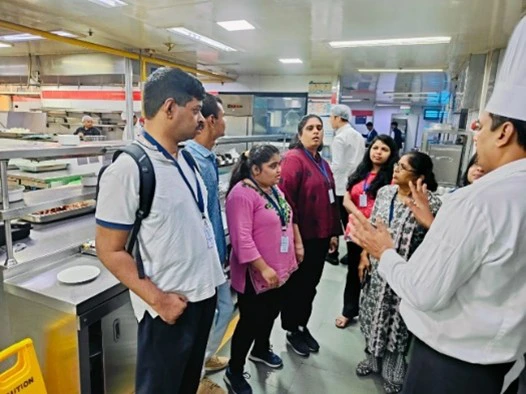
One of the biggest barriers neurodivergent individuals face globally is employment exclusion. Traditional hiring systems frequently reward quick verbal communication, eye contact, social confidence, and interview performance over actual capability.
As a result, many talented individuals remain excluded despite possessing strong abilities.
Systems-thinking approaches to employment may involve:
- work trials instead of conventional interviews,
- structured onboarding,
- sensory-friendly environments,
- customized employment,
- flexible communication methods,
- mentorship support,
- and job carving based on strengths.
Global companies such as Microsoft and SAP have demonstrated that redesigning recruitment systems can significantly improve inclusion outcomes.
In India, there is still an urgent need for companies to move beyond token disability hiring and begin examining how workplace systems themselves create barriers.
Supporting Families as Part of the Inclusion System
Disability inclusion does not happen in isolation from family realities.
Caregivers often navigate:
- emotional burnout,
- financial stress,
- uncertainty about the future,
- limited respite,
- and social isolation.
A systems perspective recognizes that supporting families is essential to supporting disabled individuals.
This includes:
- parent support,
- sibling inclusion,
- counselling,
- community networks,
- respite opportunities,
- future planning,
- and emotional support systems.
At Ashish Foundation, family engagement remains a critical component of long-term inclusion work because sustainable participation depends on stable and supported ecosystems around the individual.
Sensory and Community Inclusion
Many barriers faced by autistic and neurodivergent individuals are environmental rather than personal.
A crowded mall, noisy classroom, chaotic waiting room, or unpredictable public transport system may create overwhelming sensory experiences that limit participation.
Systems thinking encourages communities to ask:
How can environments become more accessible and humane for everyone?
This may involve:
- quiet hours,
- visual signage,
- calm spaces,
- predictable routines,
- reduced sensory overload,
- inclusive public design,
- and staff awareness training.
These changes often benefit not only disabled individuals, but children, elderly persons, and the wider public as well.
Inclusion Requires Collective Responsibility
One of the most important lessons of systems thinking is that disability inclusion cannot rest solely on disabled individuals or their families.
Real inclusion requires participation from:
- educators,
- employers,
- policymakers,
- healthcare providers,
- transport systems,
- communities,
- faith groups,
- and civil society.
It requires moving from isolated services toward interconnected systems that support people across the lifespan.
For neurodivergent individuals and people with developmental disabilities, quality of life is shaped not only by therapy or diagnosis, but by whether society creates opportunities for:
- belonging,
- valued roles,
- meaningful relationships,
- contribution,
- dignity,
- and participation.
Towards a More Inclusive Future
At Ashish Foundation, we continue to believe that every individual deserves more than survival or basic care. They deserve opportunities to experience the richness of community life, meaningful contribution, and human connection.
Systems thinking reminds us that inclusion is not achieved through a single program or policy. It is built through relationships, environments, structures, and attitudes that work together to create belonging.
The future of disability inclusion lies not in asking neurodivergent individuals to become more acceptable to society, but in building societies that are more responsive to human diversity.
That is where true inclusion begins.
References:
CAST. (n.d.). About universal design for learning. https://www.cast.org/resources/about-universal-design-for-learning/
CAST. (n.d.). Universal design for learning. https://www.cast.org/what-we-do/universal-design-for-learning/
CAST. (2024). Universal design for learning: Principles, framework, and practice (3rd ed.). CAST Professional Publishing. https://www.cast.org/books-media/universal-design-for-learning-principles-framework-practice-third-edition/
Meyer, A., Rose, D. H., & Gordon, D. (2014). Universal design for learning: Theory and practice. CAST Professional Publishing. https://www.cast.org/books-media/universal-design-for-learning-meyer-rose-gordon/
Microsoft. (n.d.). Neurodiversity hiring program. https://www.microsoft.com/en-us/diversity/inside-microsoft/cross-disability/neurodiversityhiring
SAP. (n.d.). Autism at work program. https://www.sap.com/about/autism-at-work-program.html
Wolfensberger, W. (1983). Social role valorization: A proposed new term for the principle of normalization. Mental Retardation, 21(6), 234–239.
Wolfensberger, W. (1998). A brief introduction to Social Role Valorization: A high-order concept for addressing the plight of societally devalued people and for structuring human services (3rd ed.). Training Institute for Human Service Planning, Leadership & Change Agentry.
World Health Organization. (2001). International classification of functioning, disability and health (ICF). World Health Organization. https://www.who.int/standards/classifications/international-classification-of-functioning-disability-and-health
United Nations. (2006). Convention on the rights of persons with disabilities (CRPD). United Nations. https://www.un.org/disabilities/documents/convention/convention_accessible_pdf.pdf
Rose, D. H., & Meyer, A. (2002). Teaching every student in the digital age: Universal design for learning. Association for Supervision and Curriculum Development.
Tech & Learning. (2023). Using UDL to support career and technical education instruction. https://www.techlearning.com/news/using-udl-to-support-cte-instruction
East Carolina University Office for Faculty Excellence. (n.d.). Universal design for learning modules. https://ofe.ecu.edu/udlmodules/universal-design-for-learning/