Stop Testing People. Start Understanding Them.
Introduction: When Hiring Systems ‘Miss’ the Point
A young man once walked into an interview after days of preparation. He had rehearsed answers and tried to align himself with what the system expected. The interview lasted just 15 minutes. He struggled with eye contact, took longer to respond, and couldn’t always express himself clearly.
He didn’t get the job.
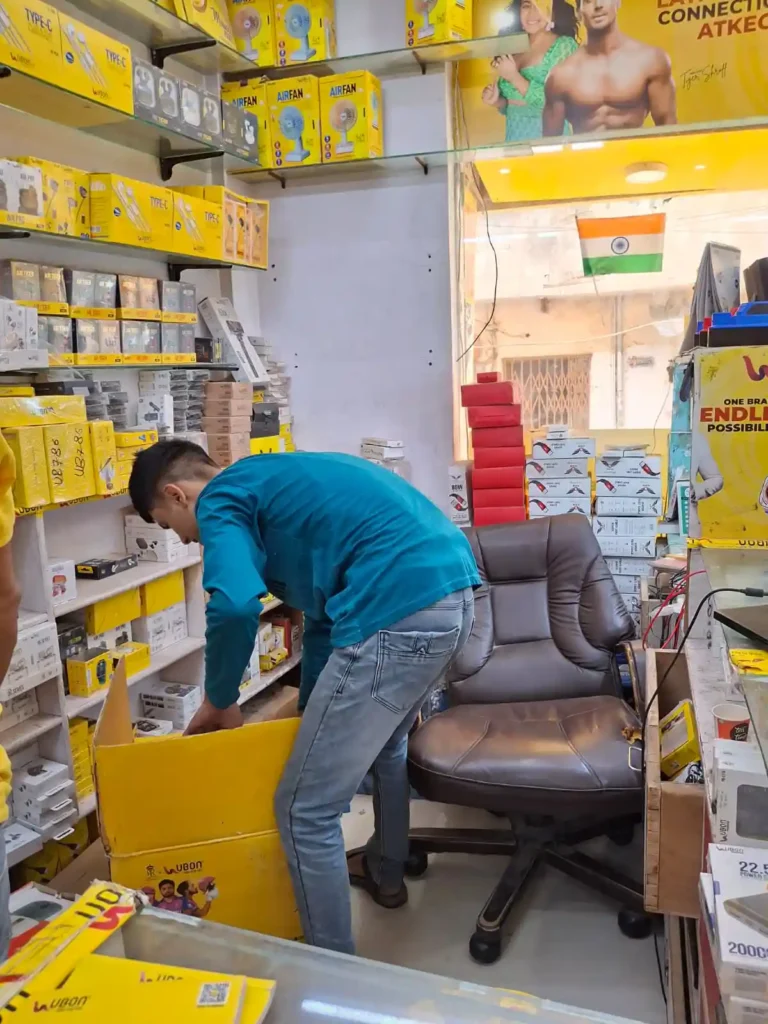
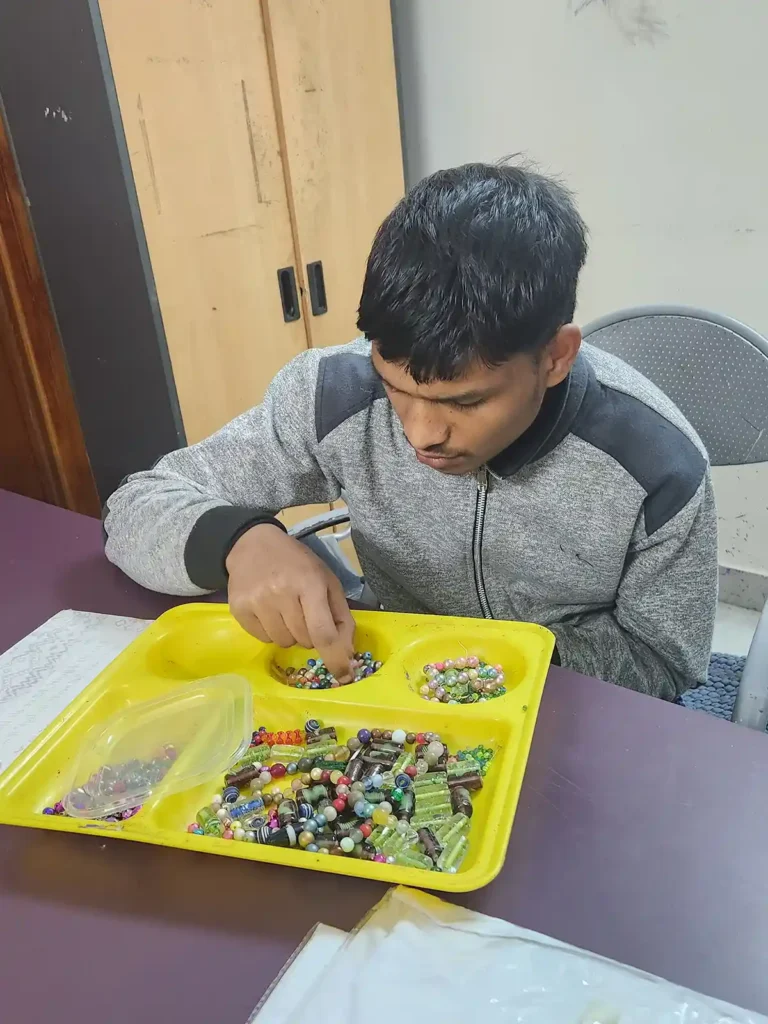
On paper, the conclusion was simple: “Not a good fit.” But outside that room, the same individual could organize materials with precision, identify patterns others missed, and perform repetitive tasks with remarkable consistency. The problem wasn’t his ability—it was the way we chose to measure it.
This story reflects a larger issue. Across employment systems—especially for neurodiverse individuals and persons with disabilities—hiring processes often fail to capture real capability. Instead, they reward speed, communication style, and comfort in formal environments.
So the real question is: Are we truly assessing people—or simply testing them in environments where they are least likely to succeed?
The Problem with Traditional “Assessment”
Most hiring systems are built around efficiency, not inclusion. Interviews, aptitude tests, and rigid job descriptions are designed to standardize evaluation—but they often overlook how people actually perform in real-world settings.
They tend to measure:
- Speed of response
- Verbal communication skills
- Comfort in unfamiliar, high-pressure environments
But they rarely capture:
- Consistency over time
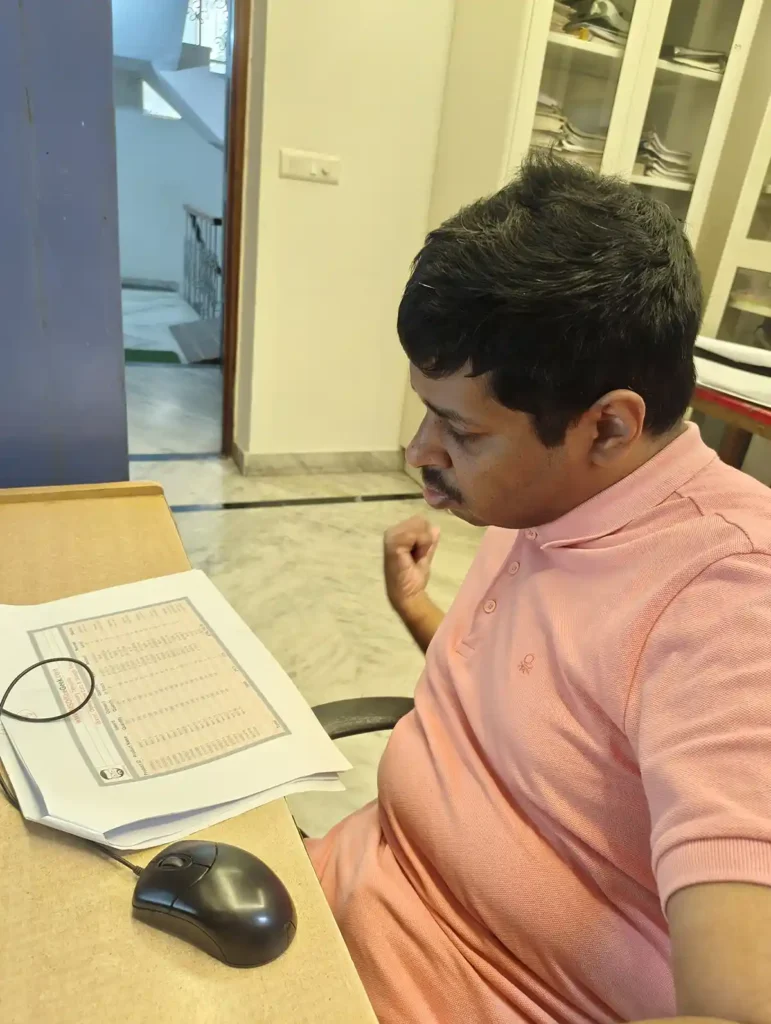
- Attention to detail
- Ability to work within structured routines
- Real-world task performance
For many individuals, the challenge is not the job—it is how access to the job is structured.
Shifting the Lens: From Deficits to Discovery
The Discovery Process under Customized Employment offers a different way forward. Instead of focusing on limitations, it emphasizes understanding individuals in real-life contexts—where their strengths naturally emerge.
Discovery focuses on:
- Interests and motivations
- Skills demonstrated in everyday environments
- Daily routines and comfort zones
- Inputs from families, teachers, and support systems
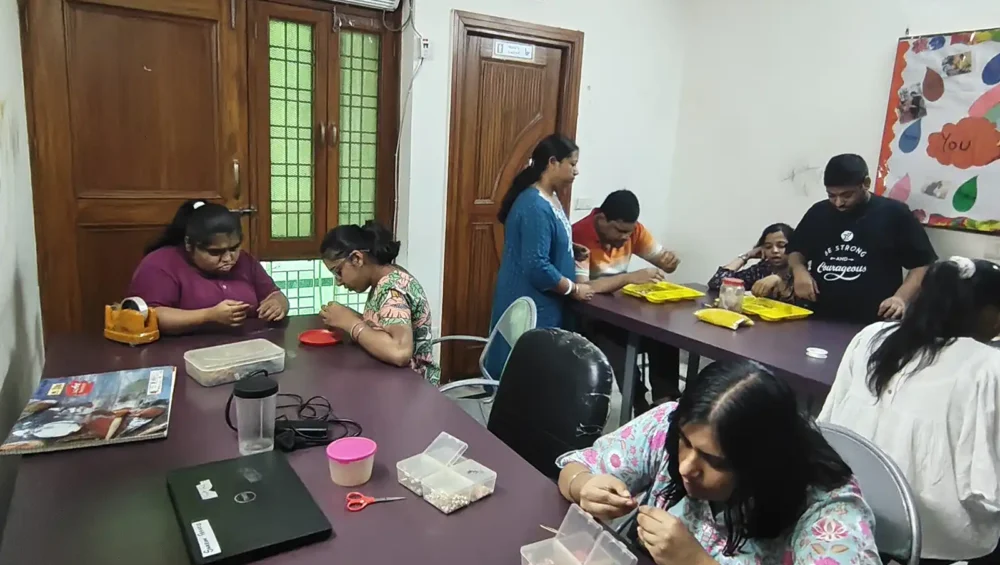
- Observations during familiar, structured activities
This approach recognizes a simple truth:
Many individuals who struggle in formal assessments thrive when observed in context.
From an employment perspective, Discovery helps answer what truly matters:
- Where does the person succeed?
- What tasks align with their natural strengths?
- What environments enable consistency and growth?
It shifts the question from: “Can they pass an interview?”
to:
“Where can they contribute meaningfully?”
Job Analysis: The Bridge Between Talent and Opportunity
While Discovery helps us understand the individual, job analysis helps us understand the workplace. Together, they create alignment between people and roles.
Effective job analysis goes beyond written job descriptions. It involves observing how work actually happens—how teams interact, how tasks are completed, and what informal expectations exist.
It includes:
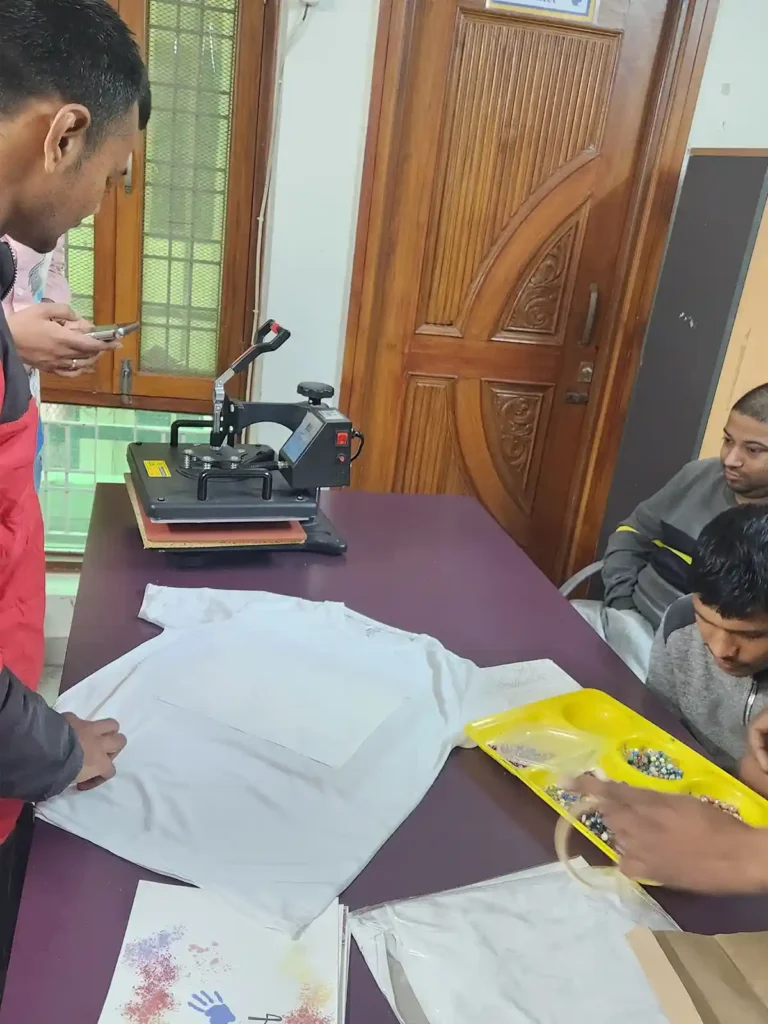
- Observing real work environments
- Understanding supervisor and co-worker interactions
- Identifying natural support systems
- Analyzing workplace culture, routines, and expectations
This process allows organizations to:
- Break tasks into teachable steps
- Identify assistive technologies or accommodations
- Understand informal workplace norms
- Involve families in identifying strengths and concerns
When job analysis is done well, job matching is based on evidence and context—not assumptions.
Designing Work Around People—Not the Other Way Around
Traditional hiring expects individuals to fit into predefined roles. Customized Employment challenges this by designing roles around the individual.
Jobs are not fixed—they are collections of tasks. And those tasks can be adapted in meaningful ways.
This may involve:
- Reassigning or modifying tasks
- Combining responsibilities across roles
- Introducing assistive tools or adaptive equipment
- Creating “carved” roles from existing workflows
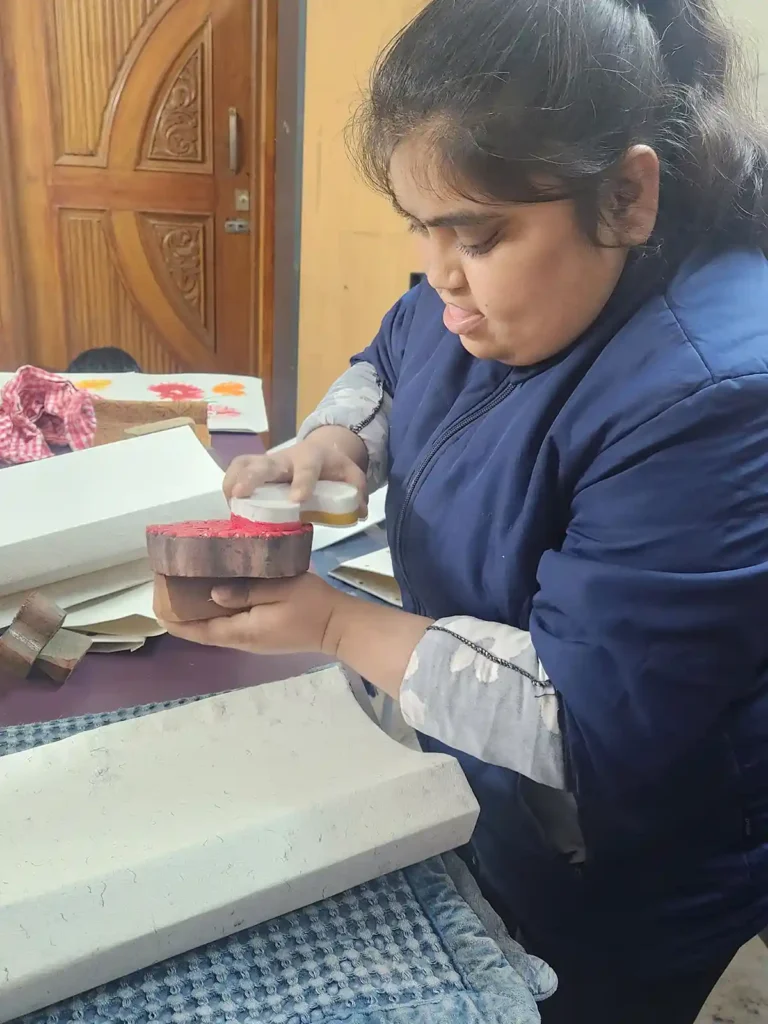
In many workplaces—especially smaller businesses—this flexibility already exists informally. The difference lies in making it intentional.
When roles are aligned with strengths rather than rigid job titles, inclusion becomes practical and sustainable.
The Role of Workplace Culture and Natural Supports
A successful job match is not just about tasks—it is about belonging. Inclusion is shaped by everyday workplace experiences, not just formal policies.
Key elements that influence inclusion include:
- Orientation and onboarding processes
- Communication styles and team dynamics
- Participation in meetings and shared tasks
- Informal social interactions
These factors determine:
- How quickly someone integrates
- How their competence is perceived
- Whether they feel valued within the team
Natural supports—co-workers, supervisors, and routines—play a critical role. They:
- Enable faster learning
- Encourage social connection
- Provide sustainable, embedded support
The goal is not to replace these supports, but to strengthen them.
Avoiding Common Pitfalls: When Inclusion Fails
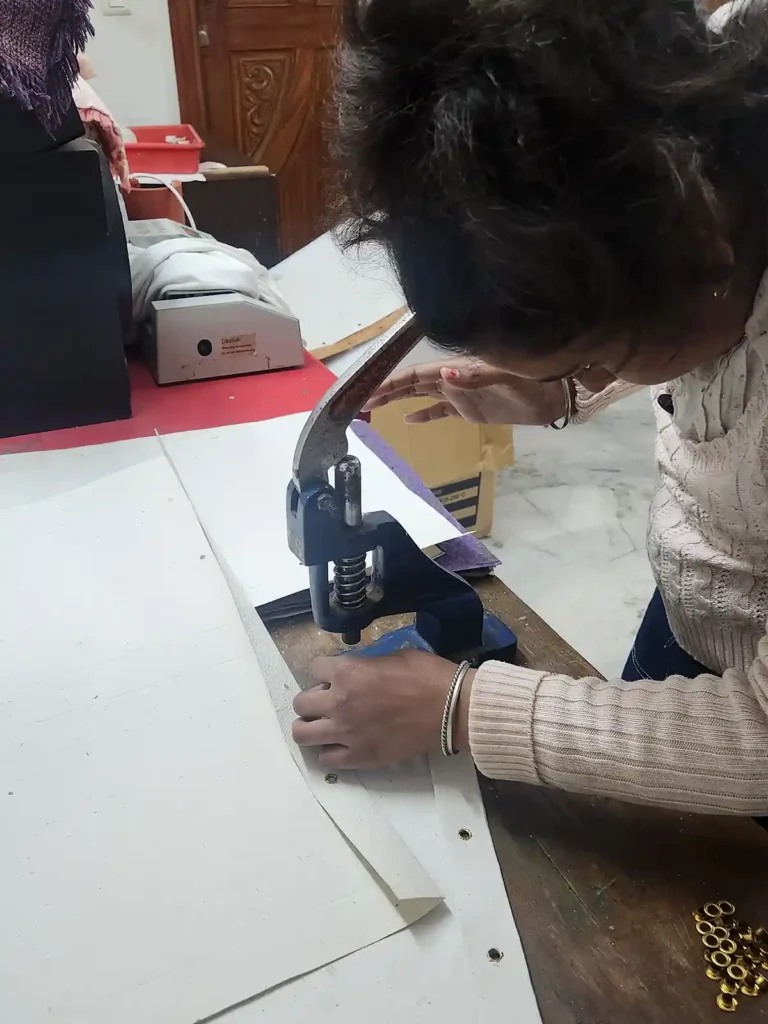
Despite good intentions, many individuals with disabilities are still placed in roles that do not allow them to succeed or grow.
Common challenges include:
- High-turnover roles
- Low-growth positions
- Jobs with limited advancement opportunities
When these placements fail, the outcome is often misinterpreted as a lack of ability. In reality:
The issue is usually poor job matching—not poor capability.
Without proper alignment:
- Strengths remain underutilized
- Expectations are unclear
- Support systems are ineffective
True inclusion requires moving beyond:
- Token roles
- Low-skill assumptions
- One-size-fits-all placements
It requires building career pathways, not just providing job access.
Structuring the Process: Job Analysis Record (JAR)
To make this approach systematic, tools like the Job Analysis Record (JAR) are essential.
The JAR documents:
- Specific tasks within a job
- Required skills and supports
- Workplace conditions and expectations
- Opportunities for customization
Unlike traditional job descriptions, it:
- Focuses on tasks rather than titles
- Aligns roles with individual strengths
- Identifies natural supports within the workplace
It becomes a practical guide for:
- Training strategies
- Workplace accommodations
- Long-term job success
The Employer’s Perspective: What to Look For
For employers, inclusive hiring requires a shift in what is valued during the hiring process. Instead of focusing only on qualifications or interview performance, attention must shift to how individuals actually work.
Key strengths to look for include:
- Consistency
- Attention to detail
- Pattern recognition
- Deep focus
- Reliability
The questions change from:
- “What are their limitations?”
to:
- What do they enjoy doing repeatedly?
- Where do they show confidence?
- What tasks do they complete independently?
- What environments help them thrive?
This shift leads to better hiring decisions, improved productivity, and stronger retention.
Conclusion: From Fit to Contribution
When Discovery and job analysis come together, they create a powerful, structured pathway to inclusion. Discovery reveals potential, job analysis translates it into opportunity, and workplace alignment sustains it over time.
This approach reduces guesswork, enhances dignity, and improves both individual and organizational outcomes. It moves employment beyond placement toward meaningful contribution.
Ultimately, inclusion is not about helping individuals fit into existing systems. It is about designing systems where people can succeed.
Because the real question is no longer: “Can they do the job?”
It is: “Have we created the conditions for them to succeed?”
—
References & Sources
- Accenture. (2018). Getting to equal: The disability inclusion advantage. Accenture.
- Deloitte. (n.d.). The diversity and inclusion revolution: Eight powerful truths. Deloitte Insights.
- International Labour Organization. (n.d.). Inclusion of persons with disabilities in employment. International Labour Organization.
- Mitra, S., & Sambamoorthi, U. (2016). Disability prevalence among adults: Estimates for 54 countries and progress toward a global estimate. BMC Public Health, 16, 1–13. https://doi.org/10.1186/s12889-016-3116-7
- Ministry of Social Justice and Empowerment, Government of India. (n.d.). Disability policies and programmes. Government of India.
- National Sample Survey Office. (2019). Persons with disabilities in India (NSS 76th round, July–December 2018). Ministry of Statistics and Programme Implementation, Government of India.
- Society for Human Resource Management. (n.d.). Job design and employee retention. SHRM.
- U.S. Department of Labor, Office of Disability Employment Policy. (n.d.). Customized employment. https://www.dol.gov/agencies/odep/program-areas/employers/customized-employment
- World Bank. (2011). World report on disability. World Bank.
- World Economic Forum. (2020). Diversity, equity, and inclusion in the future of work. World Economic Forum.
- World Health Organization. (2011). World report on disability. World Health Organization.
- YourStory. (n.d.). Stories on disability inclusion and employment in India. YourStory Media.
- The Economic Times. (n.d.). Disability inclusion and corporate India. Bennett, Coleman & Co. Ltd.
- The Times of India. (n.d.). Reports on employment of persons with disabilities in India. Bennett, Coleman & Co. Ltd.