India’s corporate sector increasingly speaks about disability inclusion, neurodiversity hiring, accessibility, and workplace diversity. Yet one group continues to remain largely invisible within these conversations — individuals with high support needs.
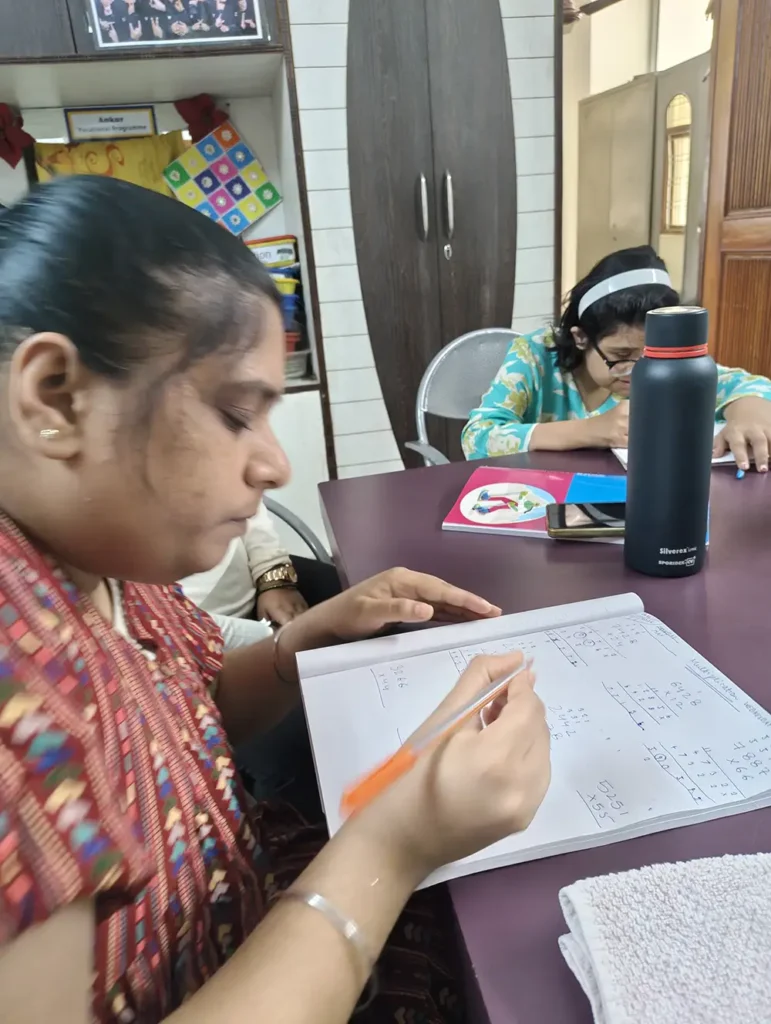
Most disability hiring models still define “job readiness” through neurotypical standards: independent communication, social fluency, quick adaptation, multitasking, and fast-paced productivity. As a result, inclusion efforts often prioritize those who can fit into existing systems with minimal support, while individuals with intellectual and developmental disabilities requiring higher support remain excluded.
But exclusion does not begin at employment.
It begins much earlier.
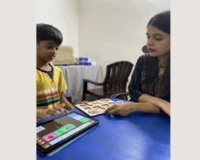
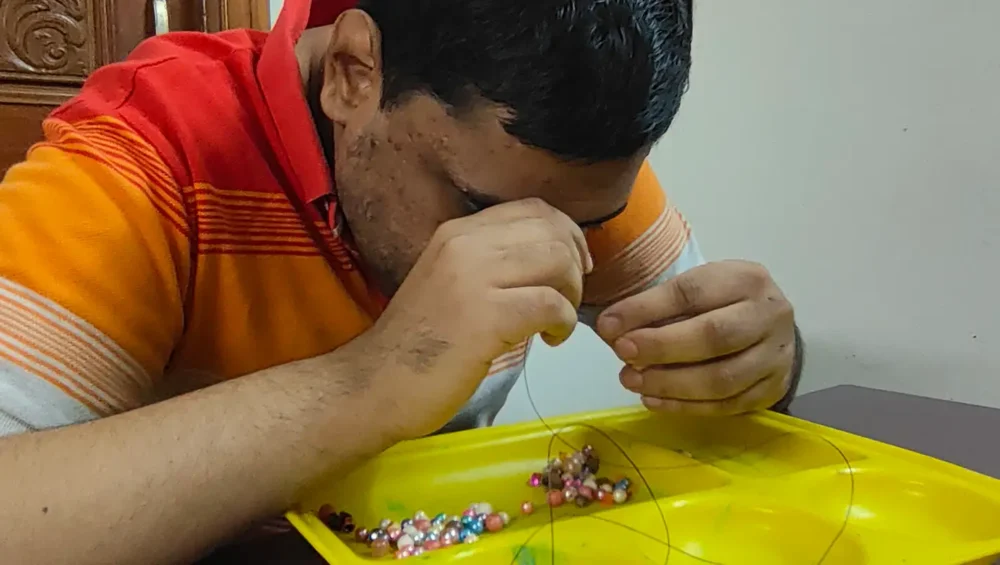
For many families, even participating in a Continuing Education Program (CEP), vocational training, or customized employment pathway becomes a major struggle. Learning may require years of repetition, visual supports, sensory accommodations, structured routines, and individualized pacing. Families, therapists, caregivers, special educators, and support professionals spend years building communication, emotional regulation, daily living skills, routines, and vocational abilities — often without adequate systems, funding, or societal support.
Yet slower does not mean incapable.
Research consistently shows that persons with developmental disabilities have among the lowest labour-force participation rates, not because of lack of potential, but because systems are rarely designed around support-based participation.
Across India, many young adults transition out of school systems into years of isolation — moving between home, therapy centres, and limited vocational spaces without meaningful pathways toward paid work or community participation. For many individuals with high support needs, employment is not simply difficult to access — it is often considered unrealistic by society from the very beginning.
The struggle, therefore, is not only about finding jobs.
It is the struggle to ensure that individuals with high support needs are not reduced to lifelong invisibility, dependency, or isolation after school years end.
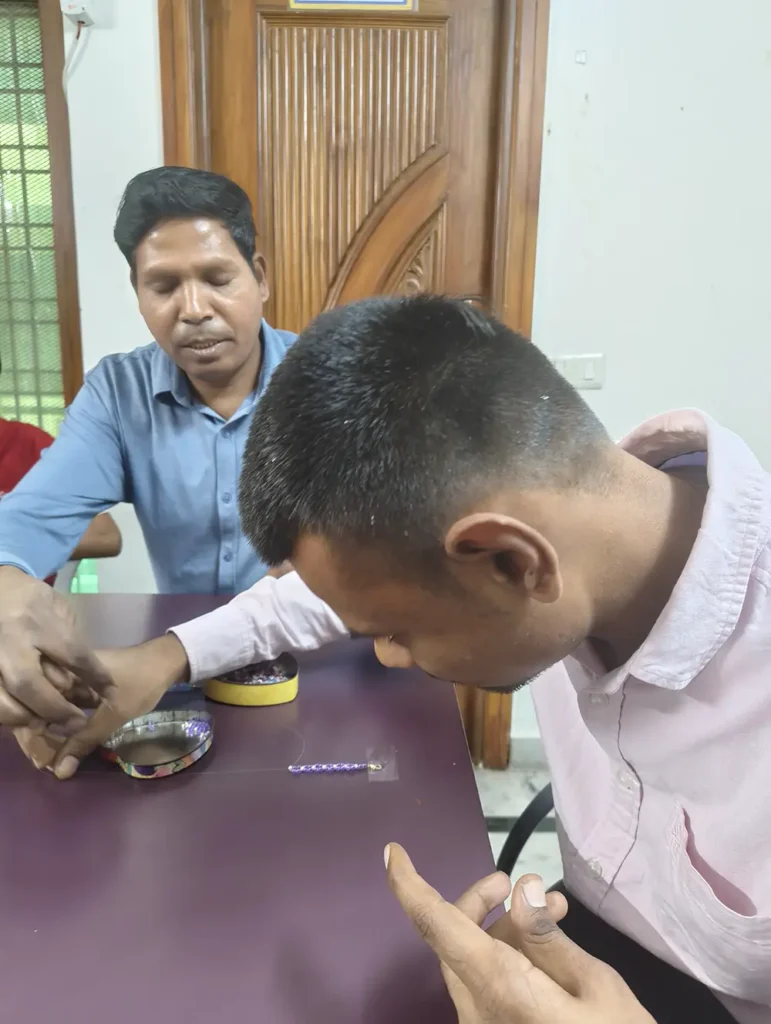
Behind every young adult trying to enter vocational spaces or employment ecosystems, there is often an entire network of exhausted but hopeful caregivers, educators, therapists, and families working tirelessly to create possibilities that society rarely makes room for.
Families continue investing enormous emotional and financial resources into therapy, transportation, caregiving, and special education while carrying a deeply personal fear:
What will happen when we are no longer here to support them?
And still, they hope.
Hope that society will eventually look beyond disability labels and recognize capability in non-traditional forms.
The Problem Is Not Inability. It Is System Design.
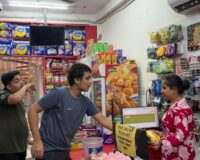
Many individuals with high support needs can contribute meaningfully when workplaces are intentionally designed around support rather than exclusion.
With structured environments and appropriate accommodations, they can participate in:
- Hospitality support,
- Packaging and assembly,
- Gardening and horticulture,
- Office assistance,
- Food preparation,
- Creative production,
- And routine-based work ecosystems.
This is where customized and supported employment become essential.
Customized employment recognizes that inclusion cannot rely only on rigid job descriptions or traditional productivity expectations. Instead, work roles are designed around an individual’s strengths, pace, interests, and support needs while also meeting workplace requirements.
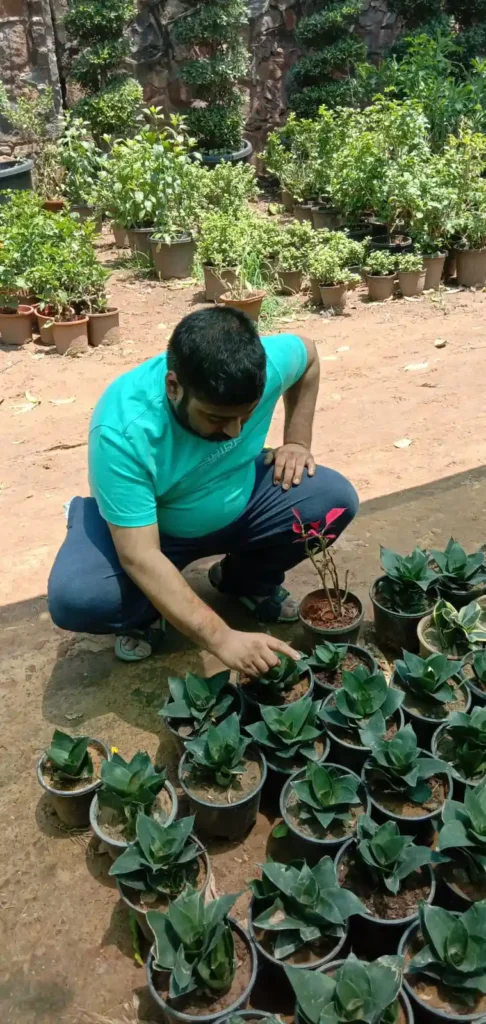
This may include:
- Task customization,
- Job carving,
- Sensory-friendly environments,
- Assisted workflows,
- Structured routines,
- Flexible responsibilities,
- And long-term support through job coaches or workplace mentors.
Such efforts require patience, flexibility, and long-term commitment.
But true inclusion calls for exactly that.
Traditional employment systems reward speed, independence, and multitasking. That is not a neutral reality — it is a design choice.
And design choices can change.
Studies on supported employment in India have already demonstrated that hybrid and supported employment models can improve confidence, participation, independence, and quality of life for persons with intellectual disabilities when appropriate structures and family involvement exist.
What Social Role Valorization (SRV) Reminds Us
Social Role Valorization (SRV) offers an important lens for understanding disability inclusion.
SRV emphasizes that people who are socially devalued become increasingly vulnerable when denied access to valued social roles. Employment is not merely economic participation.
It represents:
- Dignity,
- Contribution,
- Adulthood,
- Identity,
- Visibility,
- And social value.
When individuals with high support needs are excluded from meaningful participation, society unintentionally reinforces narratives of dependency and invisibility.
Supported employment, customized work models, and assisted workplace ecosystems are therefore not acts of charity — they are pathways toward valued social roles and community belonging.
Why Employers, CSR, and ESG Leadership Matter
India now has an opportunity to move beyond symbolic inclusion.
Despite years of diversity discussions, persons with disabilities still represent less than 1% of the workforce across many Indian organizations. This highlights the urgent need for employers, CSR initiatives, and ESG leadership to move beyond awareness campaigns and become active partners in building supported and customized employment ecosystems.
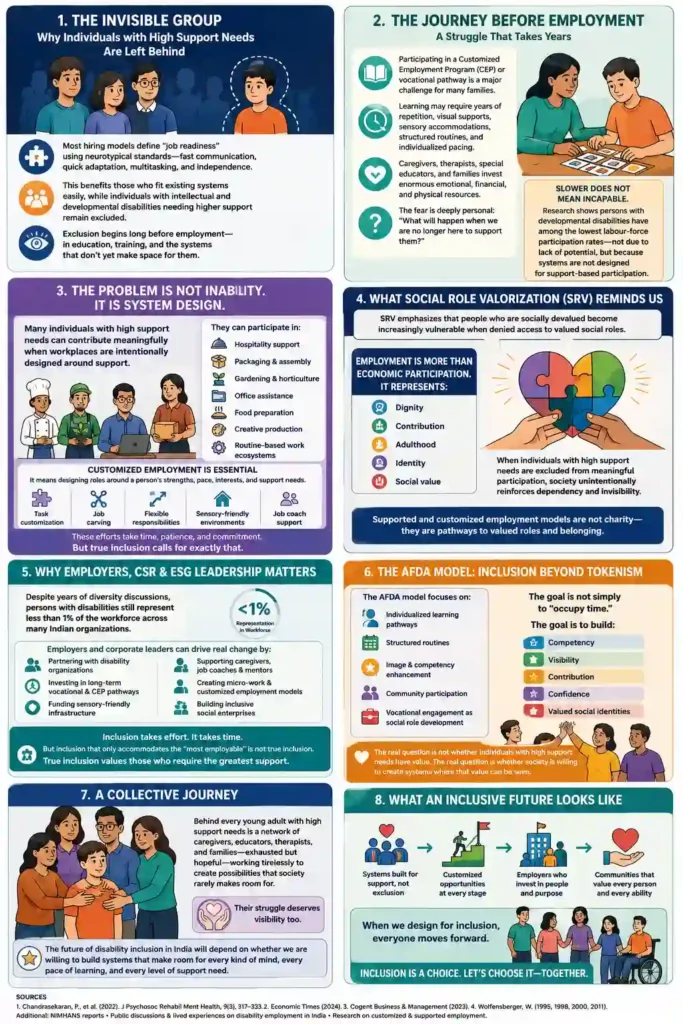
Corporate India can:
- Partner with disability organizations to create supported work environments,
- Invest in long-term vocational and customized employment pathways,
- Fund sensory-friendly and accessible infrastructure,
- Support caregivers, workplace mentors, and job coaches,
- Create micro-work and flexible employment models,
- And build inclusive social enterprises.
Real inclusion takes effort. It takes time.
It may require redesigning roles, adapting workflows, and slowing systems down to make participation possible.
But inclusion that only accommodates the “most employable” is not true inclusion.
The measure of an inclusive society is not how it treats the most independent among marginalized groups.
It is how it values those who require the greatest support.
The AFDA Model: Inclusion Beyond Tokenism
At Ashish Foundation, the AFDA model focuses on individualized learning pathways, image and competency enhancement, structured routines, community participation, and vocational engagement as a process of social role development.
The goal is not simply to “occupy time.”
The goal is to build:
- Competency,
- Confidence,
- Visibility,
- Contribution,
- And valued social identities.
Because the real question is not whether individuals with high support needs have value.
The real question is whether society is willing to create systems where that value can finally be seen.
The future of disability inclusion in India will depend on whether we are willing to build systems that make room for every kind of mind, every pace of learning, and every level of support need.
And behind every person with high support needs trying to participate in vocational or employment ecosystems, there is often a network of families, caregivers, educators, therapists, and support professionals carrying the invisible weight of advocacy, hope, and persistence.
Their struggle deserves visibility too.
References
- Wolfensberger, W. (2000). A brief overview of Social Role Valorization. Mental Retardation, 38(2), 105–123. https://doi.org/10.1352/0047-6765(2000)038<0105:ABOOSR>2.0.CO;2
- Wolfensberger, W. (2011). Social role valorization: A proposed new term for the principle of normalization. Intellectual and Developmental Disabilities, 49(6), 435–440. https://doi.org/10.1352/1934-9556-49.6.435
- Wolfensberger, W. (2011). Social Role Valorization and, or versus, “empowerment”. Intellectual and Developmental Disabilities, 49(6), 469–476. https://doi.org/10.1352/1934-9556-49.6.469
- Chandrasekaran, P., Thekkumkara, S. N., Jothibalan, A., Jagannathan, A., Jayarajan, D., & Reddy, S. K. (2022). Hybrid supported employment approach for persons with intellectual disabilities in India: Evidence based case studies. Journal of Psychosocial Rehabilitation and Mental Health, 9(3), 317–323. https://doi.org/10.1007/s40737-021-00241-9
- The Economic Times report on disability workforce participation
- Wolfensberger, W. (1998). A brief introduction to social role valorization: A high-order concept for addressing the plight of societally devalued people, and for structuring human services (3rd rev. ed.). Syracuse University Training Institute for Human Service Planning, Leadership & Change Agentry.
- Wolfensberger, W. (1995). An “if this, then that” formulation of decisions related to social role valorization as a better way of interpreting it to people. Mental Retardation, 33(3), 163–169.
- Taylor & Francis article on CSR and disability inclusion in India