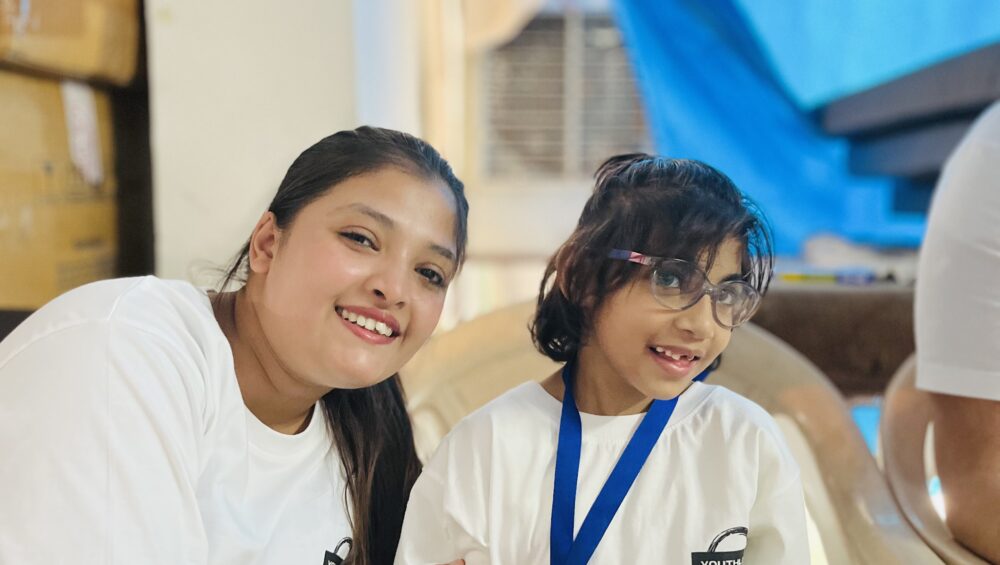
“Happy Friendship Day!”
Across India this weekend, phones will light up with messages, old photographs will be shared, friendship bands will be tied, and social media will fill with memories of the people who’ve stood by us through life’s ups and downs.
Friendship is one of the few relationships we choose. It isn’t based on blood, obligation, or circumstance — it’s built on trust, shared experiences, mutual respect, and the simple joy of being accepted for who we are.
But this Friendship Day, perhaps there’s a question worth asking:
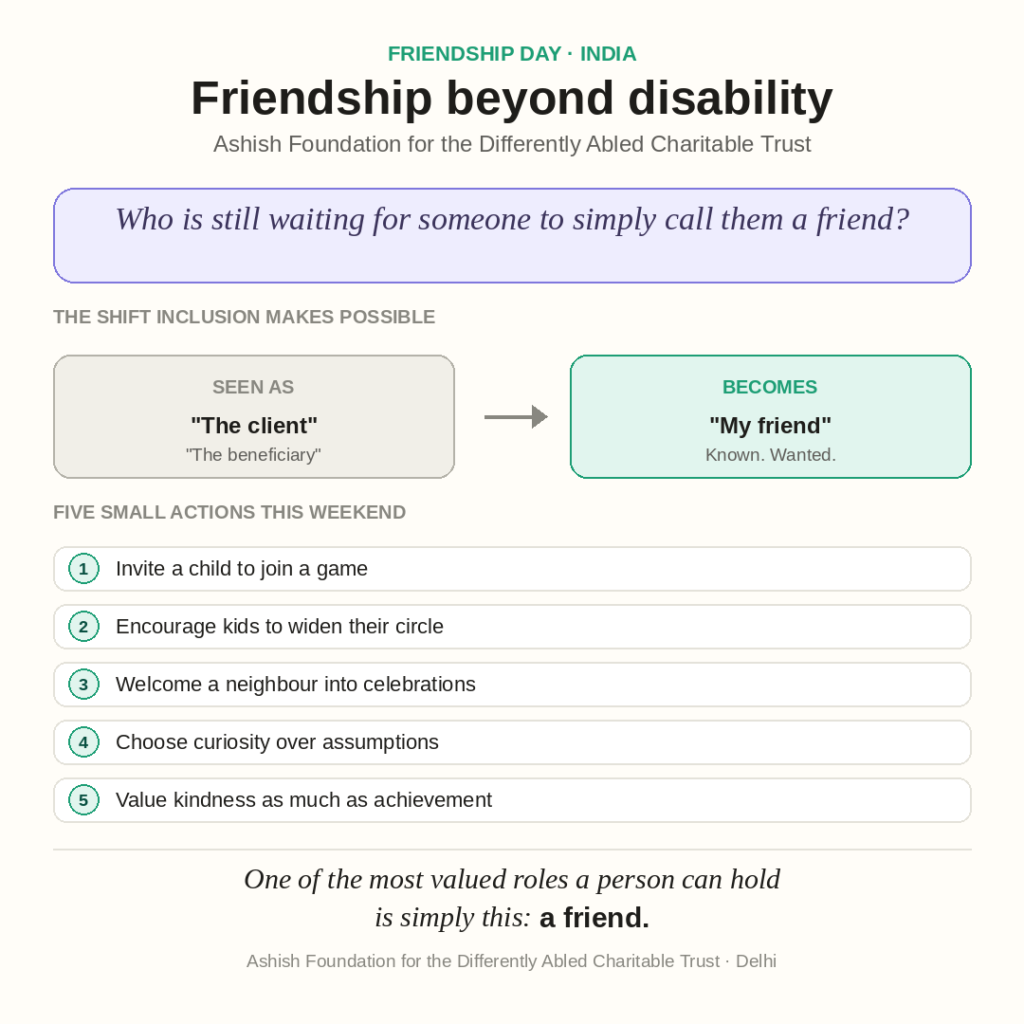
Who is still waiting for someone to simply call them a friend?
For many children, adolescents, and adults with autism and developmental disabilities, the greatest barrier isn’t a lack of ability to form relationships — it’s a lack of opportunities to build them. In a world increasingly driven by competition, achievement, and individual success, meaningful friendships are hard enough to nurture. For people with disabilities, they’re often even harder to find.
At Ashish Foundation for the Differently Abled Charitable Trust, we believe friendship isn’t an optional part of inclusion — it’s at the very heart of it. Through the lens of Social Role Valorization (SRV), friendship is one of the most valued social roles a person can have. It affirms dignity, fosters belonging, and reminds us that every person has something valuable to offer the lives of others.
Friendship Is More Than a Social Skill
When we talk about autism, the conversation often centers on therapies, communication, behaviour support, academics, or vocational skills. These matter — but they aren’t the whole picture.
A meaningful life isn’t measured only by what a person can do independently. It’s also measured by who celebrates their birthday, who notices when they’re absent, who shares lunch with them, who calls just to ask how they’re doing.
Friendship can’t be taught through worksheets or scripted conversations alone. It grows through shared experiences, mutual interests, trust, laughter, disagreements, and time spent together — the natural byproduct of everyday community life, where people participate not as spectators or service recipients, but as classmates, teammates, neighbours, volunteers, colleagues, and friends.
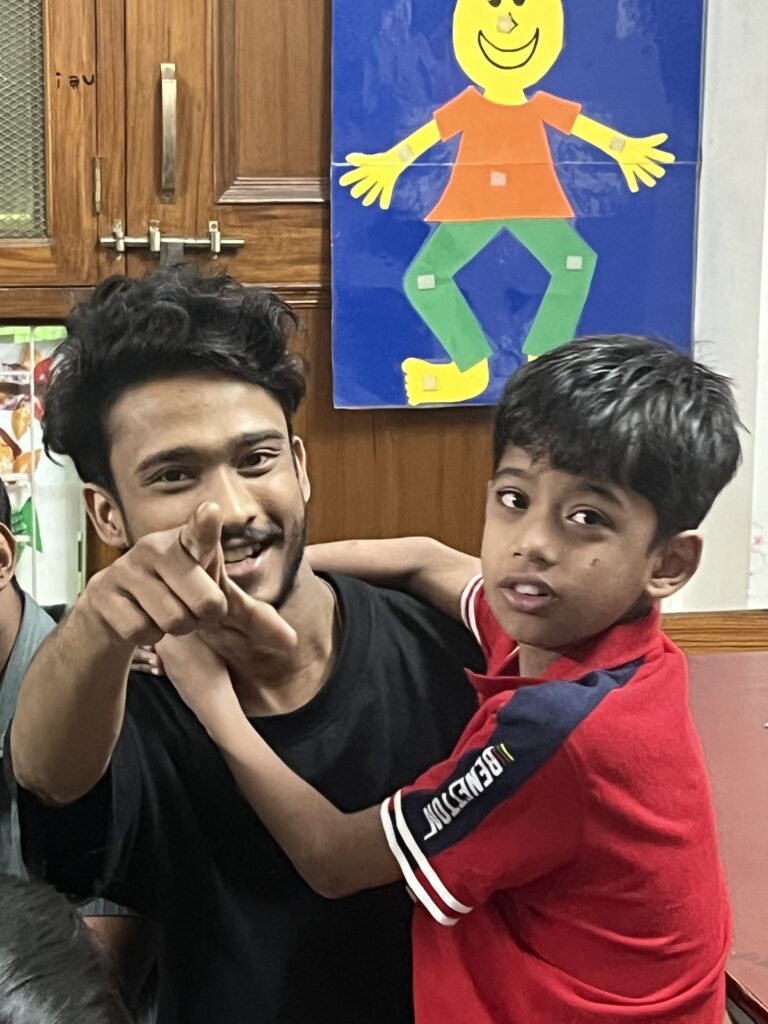
What Social Role Valorization Teaches Us
SRV reminds us that people are more likely to experience the “good things of life” when they hold socially valued roles. One of those roles is simply being a friend.
Think about how we introduce ourselves:
- “I’m part of a cycling group.”
- “She’s my closest friend.”
- “We’ve been neighbours for years.”
- “We met at work.”
These identities tell stories of belonging.
Unfortunately, people with disabilities are too often identified by the services they receive rather than the lives they lead — “the child with autism,” “the therapy student,” “the client,” “the beneficiary.” Support services are essential, but they should never become someone’s identity.
Friendship changes that narrative. It shifts the question from What support does this person need? to What do we enjoy doing together? That simple shift reflects respect, equality, and shared humanity.
Respect Means Seeing the Person Before the Disability
Respect isn’t sympathy. It’s recognising another person’s inherent worth and believing they have something valuable to contribute.
Children and adults with autism aren’t only capable of receiving friendship — they’re capable of offering it. They can be loyal friends, thoughtful listeners, funny companions, dependable teammates, creative collaborators, and caring neighbours.
When society assumes competence and creates real opportunities for interaction, friendships emerge naturally. The goal isn’t to make someone “fit in.” The goal is to create spaces where everyone truly belongs.
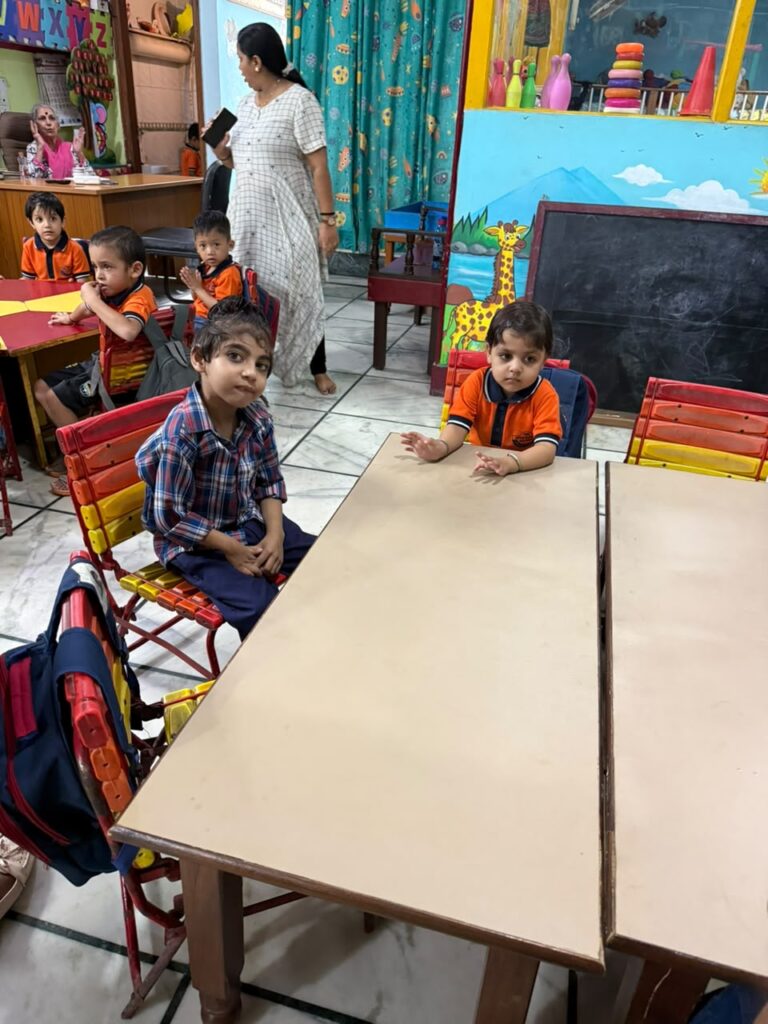
Dignity Is Built Through Mutual Relationships
There’s a world of difference between being included and being wanted.
Being invited because “everyone should be included” is not the same as being invited because friends genuinely enjoy your company. Real friendship is reciprocal:
- One person remembers birthdays.
- Another shares a favourite snack.
- Someone offers encouragement before a difficult day.
- Someone else notices when you’re unusually quiet.
These ordinary moments communicate something extraordinary: “You matter.”
Dignity grows when people are valued not for the support they need, but for the relationships they build and the joy they bring into others’ lives.
We Are All Interdependent
Modern society celebrates independence as the ultimate goal — independent learners, independent workers, independent adults. But the truth is simpler: none of us is completely independent. We rely on family, friends, colleagues, neighbours, teachers, and countless others throughout our lives.
Human beings thrive through interdependence.
For people with autism, the goal shouldn’t be complete independence at any cost — it should be meaningful participation in communities where support, contribution, trust, and friendship flow both ways. Strong communities are built on relationships, not isolation.
Friendship in a Competitive World
Today’s children are growing up amid academic pressure, packed schedules, coaching classes, digital distractions, and endless comparison. Even children without disabilities are experiencing rising loneliness, as opportunities for unstructured play and neighbourhood friendship shrink.
For children and young adults with autism, these challenges are often compounded by social barriers and limited opportunities to participate alongside peers.
This is why inclusion can’t stop at access to education. It must extend to access to relationships.
Friendship isn’t a distraction from learning — it is learning. It teaches empathy, cooperation, resilience, communication, and conflict resolution: lessons no textbook can fully provide.
Building Friendships at Ashish Foundation
At Ashish Foundation, friendship is woven into everyday learning, because we know relationships can’t be manufactured — they have to be experienced.
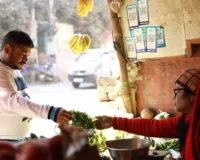
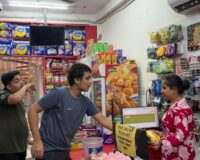
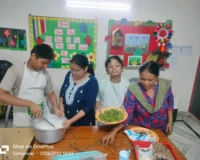
Whether students are on community outings, visiting neighbourhood parks, learning alongside peers, shopping at the local market, celebrating festivals, exploring museums, volunteering, gaining vocational experience, or simply sharing laughter during a group activity — every moment is a chance to build a valued social role.
These aren’t “extra-curricular activities.” They’re opportunities to be recognised as classmates, customers, teammates, colleagues, neighbours — and friends.
This is what inclusion looks like:
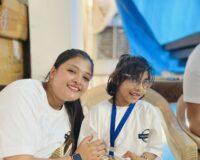
Not simply being present. Being known. Being welcomed. Being missed when absent. Being remembered.
What Can We Do This Friendship Day?
This Friendship Day, perhaps the most meaningful gesture isn’t another social media post. It’s creating space for someone who’s too often left out.
- Invite a child to join a game.
- Encourage your children to build friendships beyond familiar circles.
- Welcome a neighbour with a disability into community celebrations.
- Choose curiosity over assumptions.
- Value kindness as much as achievement.
Small actions often create lifelong relationships.
Beyond Disability, Towards Belonging
When we talk about inclusion, we often focus on education, employment, healthcare, or accessibility. These are essential — but inclusion is incomplete without friendship.
Every child deserves someone to play with. Every teenager deserves someone to confide in. Every adult deserves to be valued, remembered, and included — not because it’s the right thing to do, but because they are genuinely wanted.
This Friendship Day, let’s celebrate more than friendship. Let’s create the conditions where friendship can flourish for everyone.
Because one of the most valued roles any person can hold isn’t “client,” “beneficiary,” or even “student.”
It’s simply this: a friend.
About Ashish Foundation
Ashish Foundation for the Differently Abled Charitable Trust is a Delhi-based nonprofit supporting children and adults with autism and developmental disabilities through early intervention, special education, therapies, vocational training, family support, and community participation. Guided by the principles of Social Role Valorization (SRV), we work to build valued social roles, meaningful relationships, and inclusive communities where every individual is respected with dignity and recognised for their strengths.
Keywords: Friendship Day India, autism in Delhi, autism support in Delhi, developmental disabilities, inclusive education, early intervention, Social Role Valorization, friendship and autism, autism services Delhi, community inclusion, dignity, respect, interdependence.