In the digital world, everyone is creating content. But not all content creates understanding, changes perspectives, or contributes meaningfully to a conversation.
For organisations working in the disability sector, this distinction matters even more.
Disability, autism, inclusion, education, employment, and family support are complex subjects. They affect real people and real decisions. Families are looking for practical answers. Educators want strategies they can use. Employers want to understand how inclusion can work in practice. Communities need to move beyond awareness toward participation and belonging.
This is why the way we create and share knowledge matters.
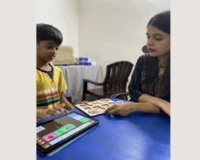
At Ashish Foundation for the Differently Abled (AFDA), our work since 2007 has given us the opportunity to learn from children and young adults with autism and developmental disabilities, their families, educators, therapists, employers, and communities. These experiences have reinforced a simple belief: the most meaningful content comes from real experience, answers real questions, offers original insights, and helps people see possibilities differently.
Expertise Should Become Knowledge That Others Can Use
Expertise is not simply about qualifications, years of experience, or technical knowledge. In the disability sector, expertise is also built through everyday encounters.
It develops when a teacher discovers a new way of supporting a learner. When a family finds a way to communicate with their child more effectively. When a young adult takes on a new responsibility. When an employer discovers that inclusion requires changing the environment — not changing the person.
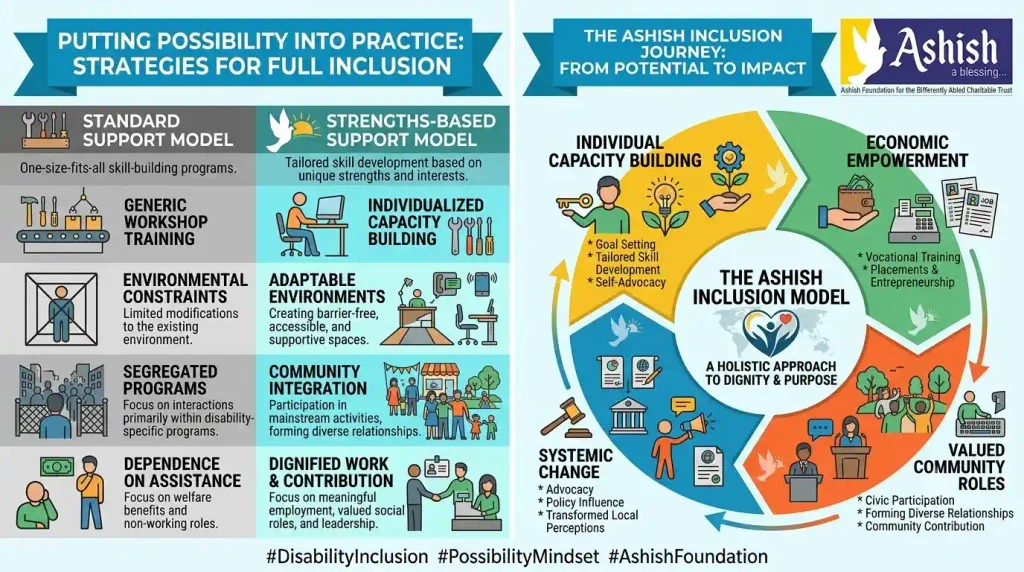
Over the years, our work at Ashish across education, therapies, vocational training, customised employment, family support, and community engagement has taught us that there are rarely simple, one-size-fits-all answers. Every person brings different strengths, aspirations, communication styles, support needs, and life experiences.
So the knowledge we share must come from practice:
- Instead of simply saying inclusion is important, we explore what inclusion actually looks like in a classroom, workplace, neighbourhood, or family.
- Instead of saying people with disabilities should be independent, we ask what support, opportunities, and environments enable greater autonomy.
- Instead of speaking only about skills, we talk about relationships, social roles, participation, contribution, and belonging.
This is where experience becomes valuable content.
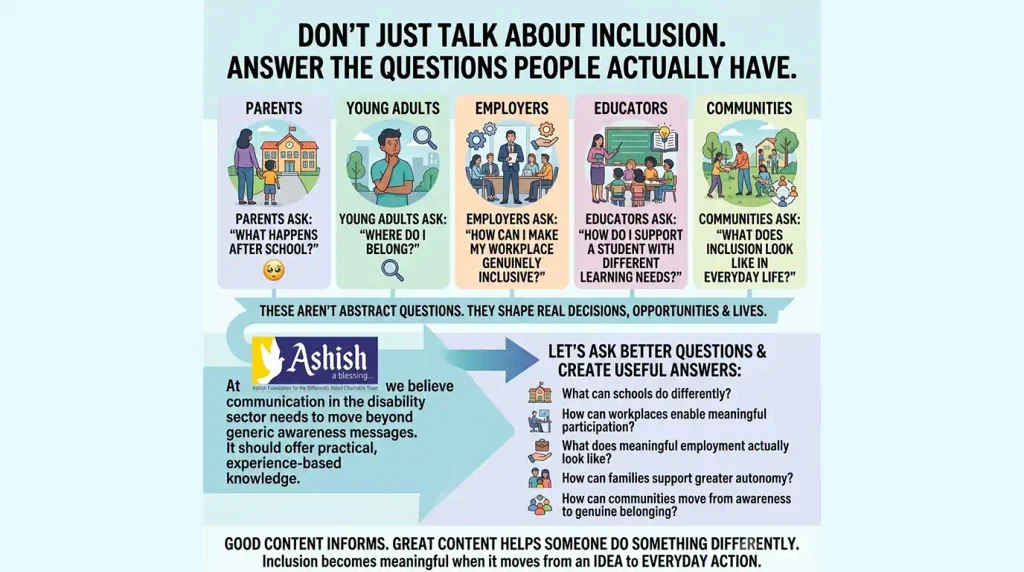
Start With the Questions People Are Actually Asking
Good content doesn’t begin with “What do we want to say?” It begins with “What does someone need to know?”
Parents ask:
- What happens after school?
- How can I support my child’s growing independence?
- How do I understand behaviour without immediately labelling it a problem?
- How can I prepare my child for adulthood?
Young adults ask:
- Where do I belong?
- Can I work?
- Can I make my own choices?
- Can I have friendships and meaningful relationships?
Employers ask:
- How do we create an inclusive workplace?
- What support does an employee actually need?
Educators ask:
- How can I make my classroom more inclusive?
Communities ask:
- What does meaningful participation look like?
These questions are far more useful than generic statements about disability — because they point toward action.
At Ashish, this matters because our approach looks beyond intervention alone. We think about a person’s life as a whole: education, relationships, social participation, vocational development, employment, family, and community. Content should help people make better decisions, not simply give them more information.
Clarity Is a Form of Inclusion
Disability-related conversations can quickly fill up with technical language, professional terminology, and complicated frameworks. Specialised language has its place — but communication should never become a barrier to understanding.
Clear communication means breaking complex ideas into concepts that families, professionals, employers, and communities can understand and apply. Rather than talking about participation only as a theoretical concept, we can ask:
- Is the person actually included in the activity?
- Do they have meaningful choices?
- Are they developing relationships?
- Are they contributing to the group?
- Do they have opportunities to take responsibility?
- Are they recognised for what they bring?
- Are they occupying valued social roles?
These questions make inclusion tangible.
This connects closely to Social Role Valorization (SRV) — a core part of Ashish’s approach. SRV encourages us to think about how people with disabilities can hold valued social roles, and how society can create opportunities for those roles to emerge.
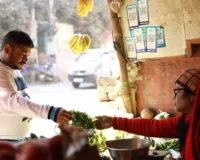
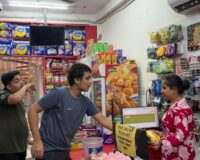
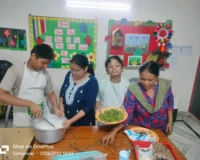
A young adult should not be seen only as a trainee. They can also be a colleague, a friend, a neighbour, an artist, a shopper, a volunteer, a worker, or a contributor.
Language influences perception. And perception influences opportunity.
Move From Generic Statements to Original Insights
The internet already contains thousands of statements about inclusion: everyone deserves respect, diversity makes us stronger, inclusion matters. All of these may be true. But they aren’t enough.
What makes content genuinely useful is the insight behind the statement.
Instead of “people with disabilities need opportunities,” we can ask: What happens when opportunities are designed around a person’s strengths rather than assumptions about their limitations?
Instead of “employment creates independence,” we can ask: What makes employment meaningful — earning an income alone, or also having a valued role, responsibility, relationships, and a sense of contribution?
Instead of “families need support,” we can ask: What kind of support helps families move from constantly managing challenges to imagining possibilities for their child’s future?
These questions create space for deeper conversations. Our programmes and experiences give us the opportunity to contribute original observations to these conversations — not as abstract theories, but as learning gathered through practice.
What If We Changed the Question?
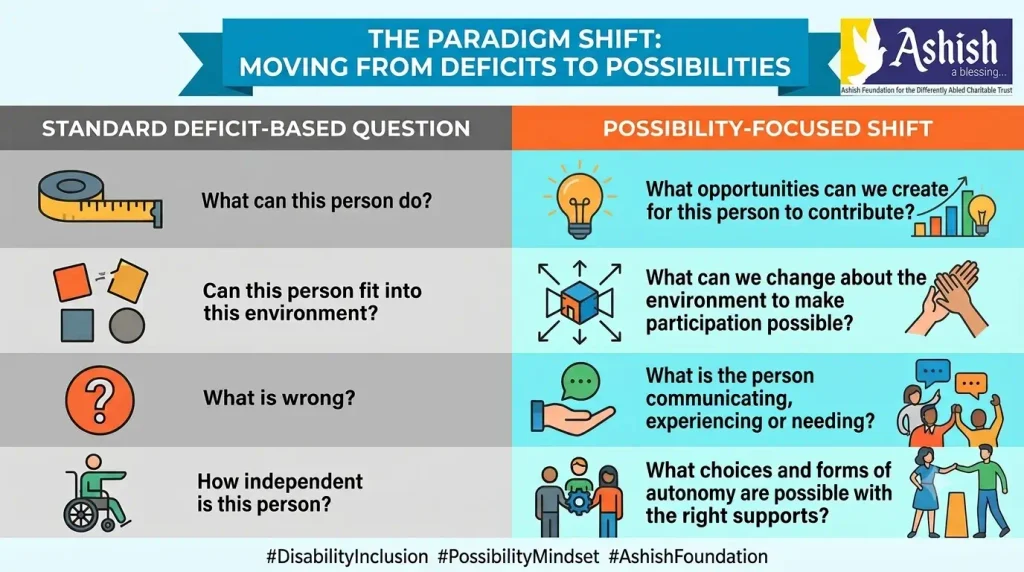
One of the most important shifts in disability inclusion is changing the questions we ask.
| Instead of asking | We can ask |
| “What can this person do?” | “What opportunities can we create for this person to contribute?” |
| “Can this person fit into this environment?” | “What can we change about the environment to make participation possible?” |
| “What is wrong?” | “What is the person communicating, experiencing, or needing?” |
| “How independent is this person?” | “What choices and forms of autonomy are possible with the right supports?” |
This shift moves the conversation away from deficits and toward possibilities. It recognises that disability doesn’t exist only within an individual — the environment, attitudes, systems, and opportunities around a person also shape participation.
That’s why inclusion isn’t simply about placing someone in an existing space. It’s about creating conditions in which their presence, contribution, and relationships have genuine value.
Evidence, Examples, and Numbers Matter
Stories can change hearts. Evidence can strengthen understanding. Both matter.
Instead of saying “our programme made a difference,” we should ask: What changed? For whom? How do we know? What did the person achieve? What did the family experience? What did the organisation learn?
Numbers tell one part of the story; individual experiences tell another. A figure may tell us how many people participated in a programme. A case story helps us understand what participation meant to one person. Responsible content brings these two forms of knowledge together.
Stories Should Not Become Inspiration Porn
There’s another responsibility when creating disability-related content: how we tell people’s stories.
People with disabilities shouldn’t have to be presented as extraordinary simply for living, learning, working, or participating. A young adult going to work is not inspirational because they have a disability. A child learning a new skill is not inspirational simply because the child is autistic. A person navigating everyday life doesn’t need to be turned into a motivational story for others.
We can celebrate progress without reducing people to their disability. We can share achievements without exaggeration. We can tell stories while protecting dignity, agency, and privacy.
The goal isn’t to make audiences feel inspired by disability. The goal is to help audiences understand possibility, participation, rights, contribution, and inclusion.
Consistency Builds Trust
One thoughtful article cannot change a narrative. One awareness campaign cannot create an inclusive society. One social media post cannot dismantle stereotypes.
Change requires consistency. That means continuing to talk about disability beyond awareness days and annual campaigns. It means sharing knowledge throughout the year — discussing employment, education, relationships, sexuality, family support, accessibility, social participation, independence, and adulthood, not only autism diagnosis or therapy.
It also means being willing to update our own understanding. Disability inclusion is not a finished conversation. Language evolves. Research develops. People’s lived experiences challenge existing assumptions. New technologies and approaches create new possibilities. Staying current is part of being a responsible communicator.
From Content to Conversation
At Ashish, we see communication as more than a way of announcing programmes, events, and achievements. It’s an opportunity to start conversations:
- A conversation about what adulthood can look like for a young person with autism.
- A conversation about whether employment is genuinely inclusive.
- A conversation about how families can support autonomy.
- A conversation about the social roles we assign to people with disabilities.
- A conversation about the language we use.
- A conversation about what communities can do differently.
- And perhaps most importantly, a conversation about the assumptions we carry without realising it.
When content is grounded in expertise, answers real questions, communicates clearly, shares original insights, uses evidence responsibly, and remains consistent, it becomes more than content. It becomes a resource — something a parent can use, a teacher can apply, an employer can learn from, a professional can reference, a community can discuss. And something a person with a disability can recognise themselves in — not as an object of sympathy or inspiration, but as a person with rights, relationships, aspirations, and possibilities.
Creating Content That Creates Change
The future of disability communication cannot be limited to creating more posts. We need to create better knowledge:
- Knowledge that comes from experience.
- Knowledge that answers real questions.
- Knowledge that is clear and accessible.
- Knowledge that challenges assumptions.
- Knowledge supported by examples and evidence.
- Knowledge that respects the people whose lives we are talking about.
- And knowledge that keeps evolving.
For organisations like Ashish, our greatest resource is not simply the content we publish — it’s the experience accumulated through years of working alongside people, families, professionals, and communities. Our responsibility is to turn that experience into knowledge that can travel beyond our programmes and reach the people who need it.
Because ultimately, the purpose of content should not be to be seen. It should be to be useful. And when useful knowledge changes the way someone thinks, acts, or creates an opportunity for another person — that is when content begins to create real impact.
At Ashish, we will continue to learn, question, share, and create — not simply to talk about inclusion, but to help build it.