Why the words we use about disability shape how we see—and treat—people
There is a sentence we hear often in disability spaces: “They need so much care.” It sounds compassionate. But what happens when care becomes the primary lens through which we see a person? A child becomes someone who needs therapy. An adult becomes a burden. A person who communicates differently becomes special. Someone who needs less support becomes “high functioning,” while someone who needs more support becomes “low functioning.” Disability itself becomes something a person is said to be “suffering from.” Then, in trying to make language more positive, we sometimes move to another extreme: “differently abled,” “Divyangjan,” “Person of Determination,” or “inspirational.” But does changing the adjective always change the way we see the person? Perhaps the answer is not a nicer word. Perhaps it is respect.
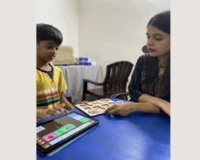
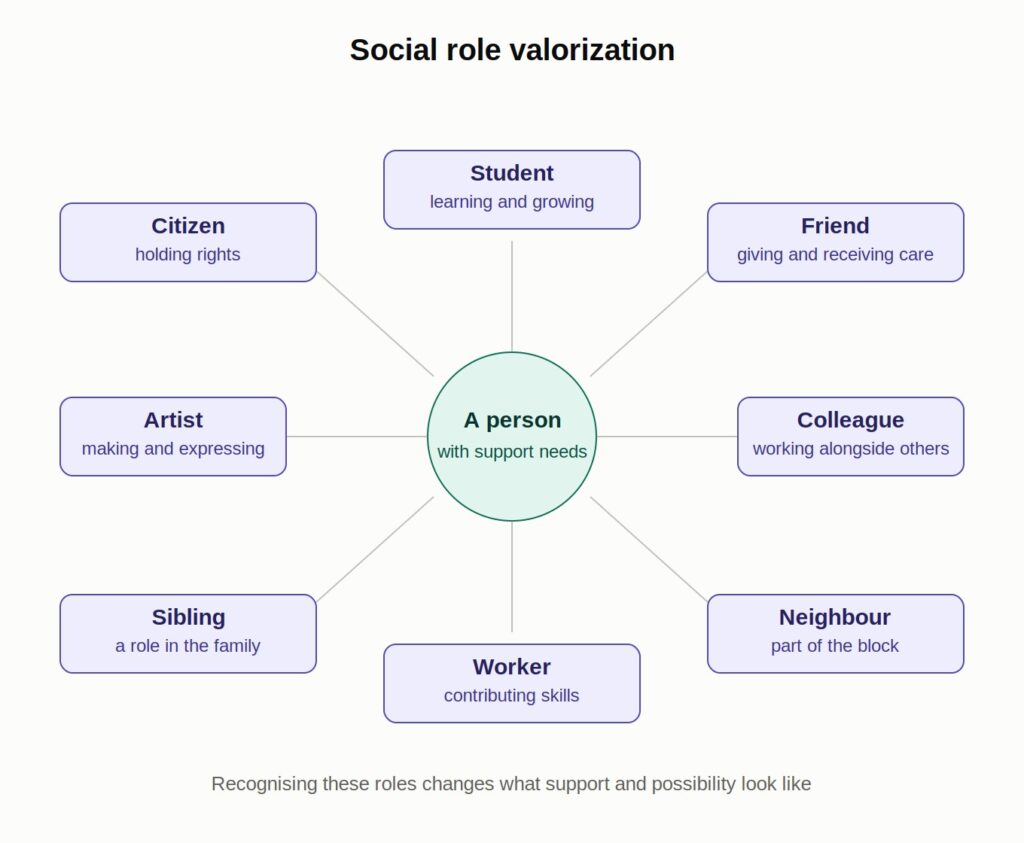
At Ashish Foundation for the Differently Abled Charitable Trust (AFDA), our work is grounded in the belief that children and adults with autism and developmental disabilities are not simply recipients of care. They are learners, friends, siblings, workers, artists, citizens and members of their communities. This connects deeply with Social Role Valorization (SRV)—the understanding that people are more likely to be valued and included when they have meaningful and valued social roles. The question is therefore not only what support a person needs, but also what opportunities, relationships and roles that support can make possible.
The World Health Organization estimates that around 1.3 billion people, or one in six people globally, experience significant disability. Disability is not simply a medical condition; it is also shaped by environmental and social barriers, including stigma, discrimination and inaccessible systems. The United Nations Convention on the Rights of Persons with Disabilities recognises this and calls for societies to combat stereotypes and promote awareness of the capabilities and contributions of persons with disabilities. This makes language more than a matter of political correctness. The words we use influence how disability is understood, and how disabled people are perceived and treated.
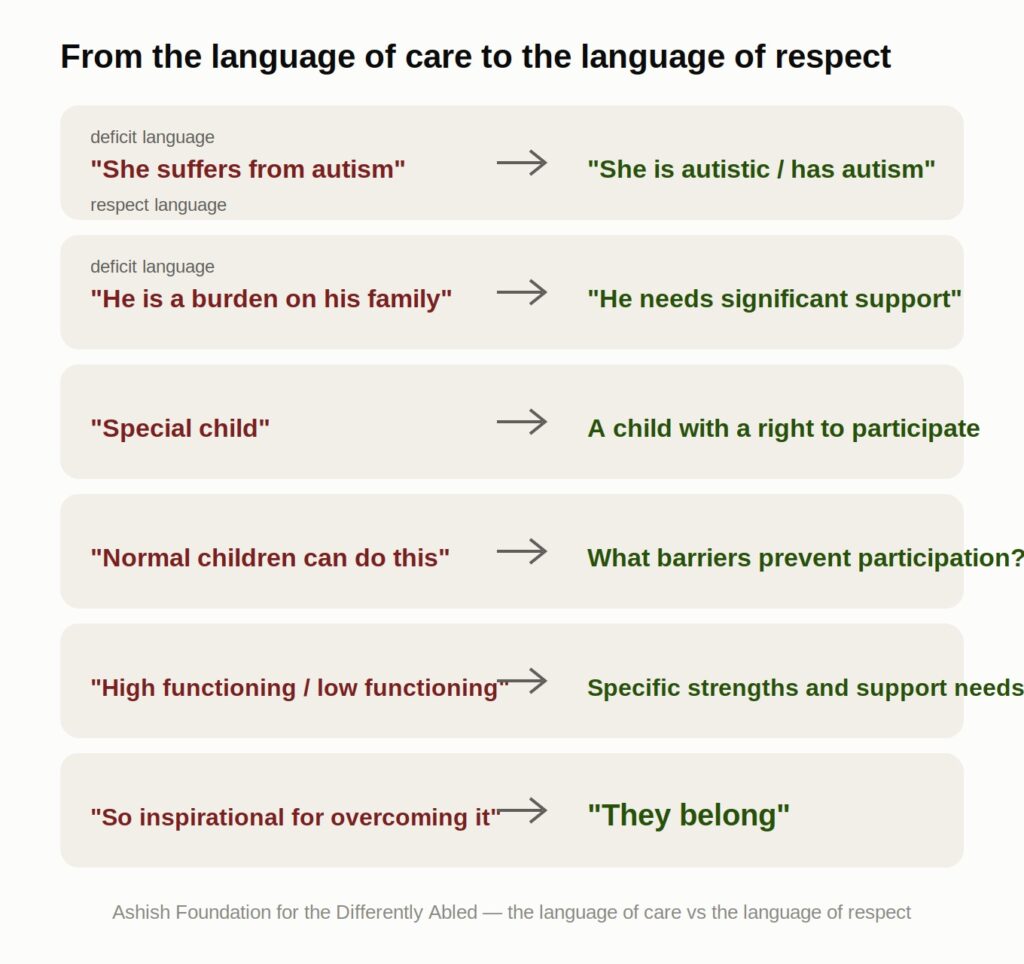
Take the word “suffering.” When we say, “She suffers from autism,” we immediately create a narrative in which disability is equated with a diminished life. A person may experience sensory difficulties, communication barriers, discrimination or significant support needs, and those experiences should never be minimised. But disability and suffering are not synonymous. A child may experience sensory overload and still love music. A young adult may need assistance with daily living and still have close friendships and ambitions. A person may communicate differently and still have opinions, preferences and a rich emotional life. We can describe disability without automatically deciding how a person experiences their own life.
Then there is “burden.” Saying, “He is a burden on his family,” shifts the focus from support needs to the person’s perceived cost to others. Families can absolutely experience exhaustion, financial pressure and caregiving challenges. These realities deserve acknowledgement and support. But the person receiving support is not the problem. Instead of describing someone as a burden, we can say that they require significant support and that their family needs an adequate support system. One defines the person as a cost; the other identifies a social need.
The word “special” presents a different problem. “Special child” or “special needs” may sound affectionate, but such language can create an implicit distinction between those who are “special” and those who are “ordinary.” Research has questioned whether “special needs” is actually a more positive alternative to disability, finding that the euphemism can itself reinforce negative perceptions. We do not necessarily need to make disability sound softer or prettier. We need to make difference belong. A child does not need to be called special before we recognise their right to participate.
Similarly, “normal” creates a centre and a margin. When we say, “Normal children can do this,” we automatically create another group that is not normal. This is particularly problematic in education, where children develop, communicate and learn in different ways. Instead of asking how close a child is to “normal,” we can ask what the child needs to learn, communicate, participate and develop. The goal should not be to make everyone normal. The goal should be to create environments where different ways of learning, communicating and participating are accepted.
The phrase “high functioning” can be equally limiting. High functioning at what? Communication? Academic learning? Employment? Independent living? Sensory regulation? Social interaction? A person may be highly articulate and still require substantial support with daily living. Someone may have strong academic abilities and significant sensory difficulties. Someone may appear independent in one environment and require considerable support in another. Research has also challenged the usefulness of functioning labels in autism, showing that IQ is an imprecise predictor of functional abilities. Instead of saying someone is “high” or “low functioning,” it is more useful to describe their actual strengths and support needs. Specificity gives us information; labels give us assumptions.
But there is another side to this conversation. In trying to move away from negative language, we sometimes replace it with language that is overwhelmingly positive, heroic or inspirational. The UAE Government officially uses the term “People of Determination” for people with disabilities, while “Divyangjan” is also used in Indian government terminology. These terms emerged from an intention to move away from deficit-based descriptions and highlight ability and dignity. Yet we can still ask an important question: Why must a disabled person be determined, exceptional or inspirational to be valued?
What if they are tired? What if they need significant support? What if they fail? What if they do not want to “overcome” anything? What if they simply want an accessible bus, an education, a job, a friendship, a relationship and the freedom to make ordinary choices? Rights should not depend upon determination. Accessibility should not depend upon inspiration. A wheelchair user should not have to win a marathon before we build an accessible pavement. A person with autism should not have to become a celebrated entrepreneur before we recognise their right to employment. A person with intellectual disability should not have to demonstrate extraordinary independence before their choices are respected.
This is where the idea of inspiration porn, popularised by disability activist Stella Young, becomes relevant. Young challenged the tendency to turn disabled people into inspirational objects for non-disabled audiences. The issue is not that disabled people cannot be inspiring. It is that their disability should not automatically become the reason their ordinary lives are presented as extraordinary. A disabled person going to school is not necessarily inspirational. Getting a job is not necessarily inspirational. Travelling is not necessarily inspirational. Falling in love is not necessarily inspirational. Sometimes, it is simply life. And disabled people deserve ordinary lives—not only stories that make other people feel inspired.
Consider the difference between these two narratives: “A child suffers from autism but bravely overcomes his challenges,” and “A determined autistic child inspires everyone with his achievements.” They appear to tell opposite stories, but both can make disability the central explanation of the person’s identity. One presents disability as tragedy; the other presents it as the obstacle that makes achievement inspirational. Neither necessarily tells us who the child is, what they enjoy, who their friends are, what they want to learn, what choices they make, what they contribute or what support they need. Representation says, “Look at this remarkable disabled person.” Recognition says, “This person belongs here.”
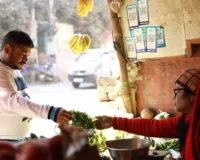
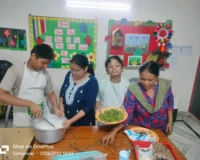
This is also why Social Role Valorization is so relevant. People are not only recipients of services. They can be students, friends, siblings, workers, artists, athletes, neighbours, colleagues, customers, citizens and decision-makers. When society recognises these roles, perception changes. If we see someone primarily as a patient, we may speak to them differently. If we see them as a burden, we focus on cost. If we see them as a worker, we think about contribution. If we see them as a friend, we think about reciprocity. If we see them as a citizen, we have to think about rights. The roles we recognise can change the possibilities we imagine for a person.
At Ashish, care matters. Therapy matters. Education matters. Skill development matters. Family support matters. But support should not become the person’s identity. Support should expand a person’s world, not define it. A child needs education, but also friendship. A young adult needs vocational training, but also meaningful work and social roles. A person may need therapy, but also opportunities to participate in ordinary community life. A family may need support, but also connection, respite and recognition. This is why the question cannot stop at “What service are we providing?” It must also ask, “What kind of life are we helping make possible?”
Perhaps this is the shift from the language of care to the language of respect. Instead of asking what is wrong with someone, we can ask what support they need. Instead of asking what they cannot do, we can ask what they can do, choose and contribute. Instead of asking whether someone is normal, we can ask what barriers are preventing participation. Instead of asking whether someone is high functioning, we can understand their specific strengths and support needs. Instead of asking whether someone is inspirational, we can ask whether they are included. And instead of asking what we can do for them, we can ask what we can do with them.
We also need to remember that there is no single language preference shared by every disabled person. Some people prefer person-first language; others prefer identity-first language. Respect means listening to how people describe themselves rather than assuming we know what is best for them. What matters most is that language does not diminish their dignity, agency or identity.
Perhaps the ultimate challenge is this: we do not need to make disability beautiful. We need to make society accessible. A person does not deserve accessibility because they are brave. They do not deserve employment because they are inspirational. They do not deserve friendship because they have overcome adversity. They deserve these things because they are a person.
So perhaps we need to move beyond both pity and praise. From “They suffer” to “They inspire us.” From “They are a burden” to “They are determined.” From “They are special” to “They are extraordinary.” And finally, to something much simpler: “They belong.”
We have spent decades trying to find nicer words for disability. But sometimes, the most respectful approach is not to find a nicer word. Sometimes it is to stop treating disability as a word that needs to be hidden. Let a disabled person say, “I am disabled.” Let that statement be ordinary. Let disability be an identity, a social reality and part of someone’s life without becoming the whole story of their life.
Because when we insist on replacing “disabled” with something more flattering, we can unintentionally send another message: “Disability is acceptable only when we make it sound positive.” We should be able to do better than that.
The goal should not be to make disability sound beautiful. The goal should be to make a disabled life equally valued.
At Ashish, we believe that support should expand a person’s world, not define it. Our work is therefore not only about therapy, education or vocational preparation. It is about creating opportunities for people with autism and developmental disabilities to learn, participate, communicate, form relationships, contribute, work, make choices and occupy valued social roles.
Because people with disabilities are not only beneficiaries.
They are students, friends, workers, artists, siblings, neighbours, colleagues, citizens—and people.
And perhaps that is the real difference between care and respect.
Care asks: “What does this person need from us?”
Respect asks: “Who is this person—and what possibilities should be open to them?”
We need care.
But respect has to lead the way.
Because inclusion is not about making disabled people inspirational enough to belong.
It is about building a society in which they never had to prove that they belonged in the first place.
Selected References:
- World Health Organization — Disability and Health: approximately 1.3 billion people globally experience significant disability.
- United Nations — Convention on the Rights of Persons with Disabilities, particularly Article 8 on stereotypes, awareness and representation.
- Gernsbacher et al. — “Special Needs” is an Ineffective Euphemism.
- Alvares et al. — The misnomer of “high functioning autism”.
- Stella Young — I’m not your inspiration, thank you very much, TEDxSydney.
- UAE Government — People of Determination.