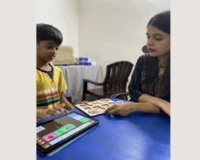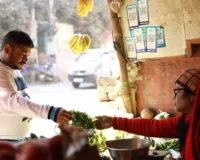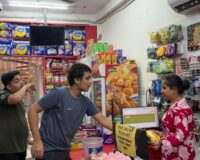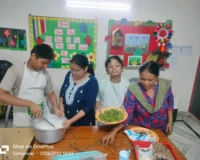
A person attends therapy. A young adult joins a programme. Someone receives support. Slowly, the service becomes the story. This is the Human Service Client stereotype — and what Social Role Valorization asks us to do about it.
| Person | |
| Citizen |
A person attends speech therapy. They become a therapy client. A young adult attends a vocational programme. They become a beneficiary. Someone receives government support. They become a case. A person lives in supported accommodation. They become a service user. A child receives special education. They become a special-needs child.
The services may be necessary. The support may be life-changing. But the question is: when we repeatedly describe people by the services they receive, do we begin to forget the person beyond the service?
Through the lens of Social Role Valorization (SRV), we look at what happens when a person’s identity becomes dominated by their relationship with the service system — and how we can move towards identities rooted in citizenship, contribution, relationships, choice and belonging.
A client is a role. It should never become an identity.
There is nothing inherently wrong with the word client. In healthcare, education, rehabilitation, social care and disability services, terminology is often needed to describe a professional relationship. The problem begins when “client” becomes the most important social role a person occupies.
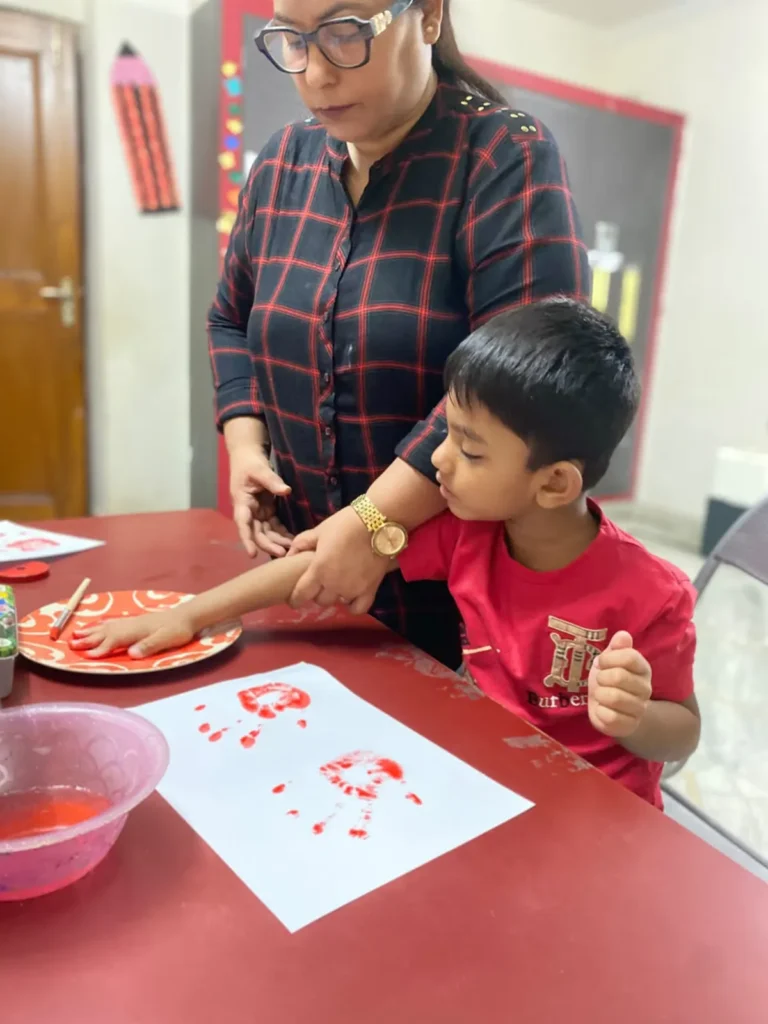
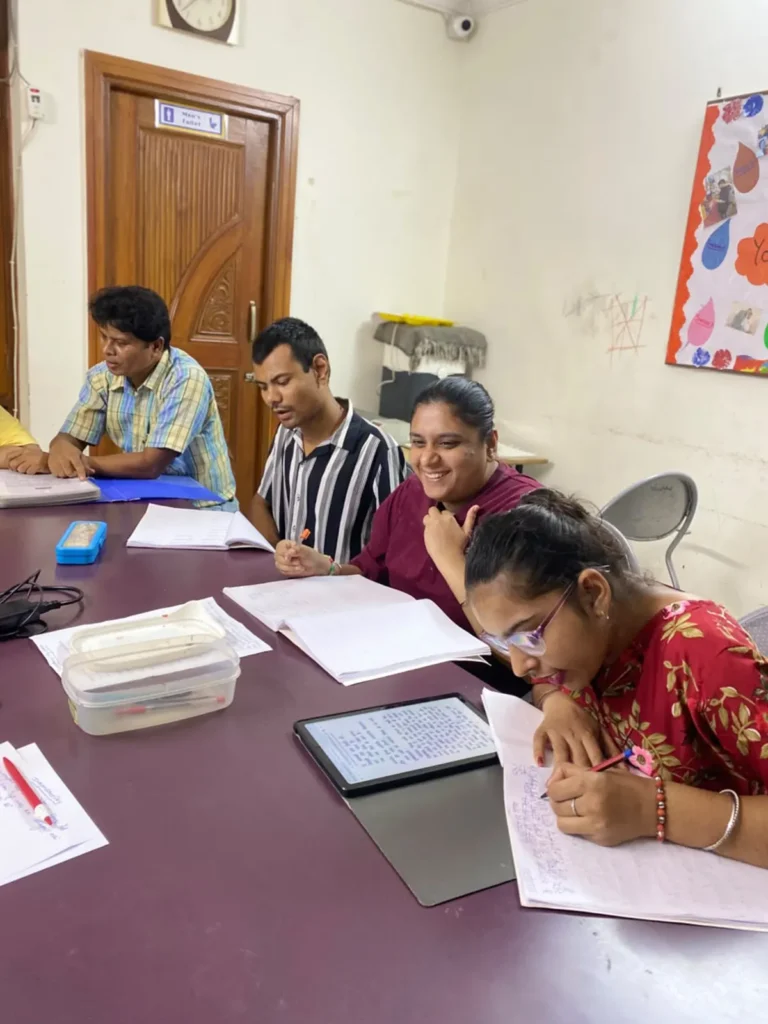
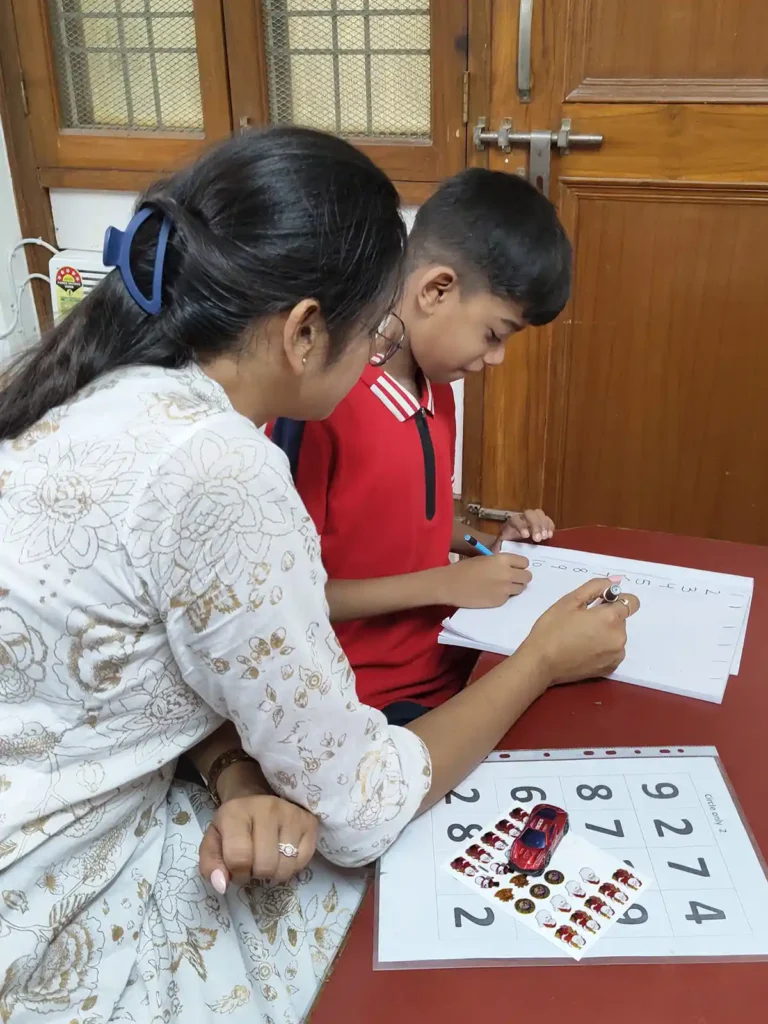
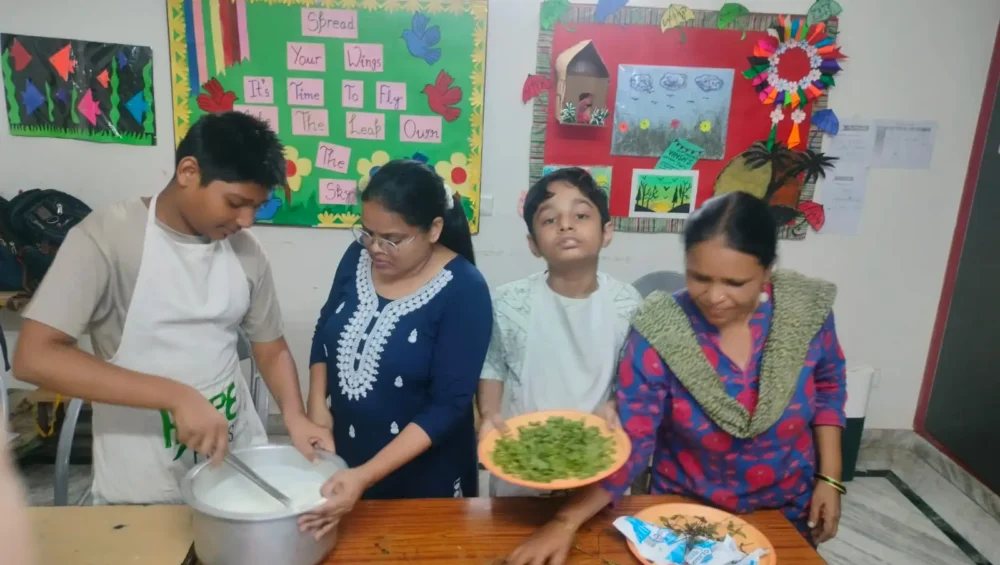
SERVICE-FIRST INTRODUCTION
“This is Arjun. He is a client at a disability centre.”
LIFE-FIRST INTRODUCTION
“This is Arjun. He works at a neighbourhood café, loves cricket, travels by metro, enjoys music, and is learning to manage his money. He also receives occupational therapy support.”
The second description doesn’t deny his need for support. It simply refuses to make support the centre of his identity. That distinction is at the heart of this article.
What does Social Role Valorization tell us?
Developed by Dr. Wolf Wolfensberger, SRV starts with an important observation: social roles profoundly influence how people are perceived and treated. People who occupy valued roles — employee, neighbour, parent, friend, student, artist, volunteer, community member — are more likely to receive positive expectations and opportunities. People who are persistently placed in devalued roles can experience the opposite.
Wolfensberger described SRV as a way of addressing social devaluation by helping people obtain, maintain or strengthen socially valued roles.
“What service does this person need?” is not the only question. Ask instead: “Who is this person in the wider community — and what valued roles can they hold?”
The danger of becoming a “professionalised person”
For some people with disabilities, especially those who require significant support, much of life can revolve around professionals: teacher, therapist, doctor, caregiver, case manager, special educator, social worker, support worker, programme coordinator.
These relationships can be important and positive. But if almost every interaction is with someone who has a professional role, the person can end up spending much of their life being supported rather than being known as an ordinary member of society. Their calendar becomes full of appointments. Their photographs become therapy photographs. Their progress is measured through reports. Their achievements become targets completed. Their identity becomes a file — “Client #27.”
Are we helping someone build a life — or simply delivering services efficiently?
The person-centred alternative
There is a growing international movement towards person-centred planning, which shifts the focus from services to the person’s own goals, preferences and desired life. The U.S. Administration for Community Living describes person-centred planning as a process directed by the person receiving support — focused on their vision for the future, decision-making, strengths, preferences, relationships, employment, recreation, transportation and community participation.
A SERVICE-CENTRED QUESTION
“What programme can we provide?”
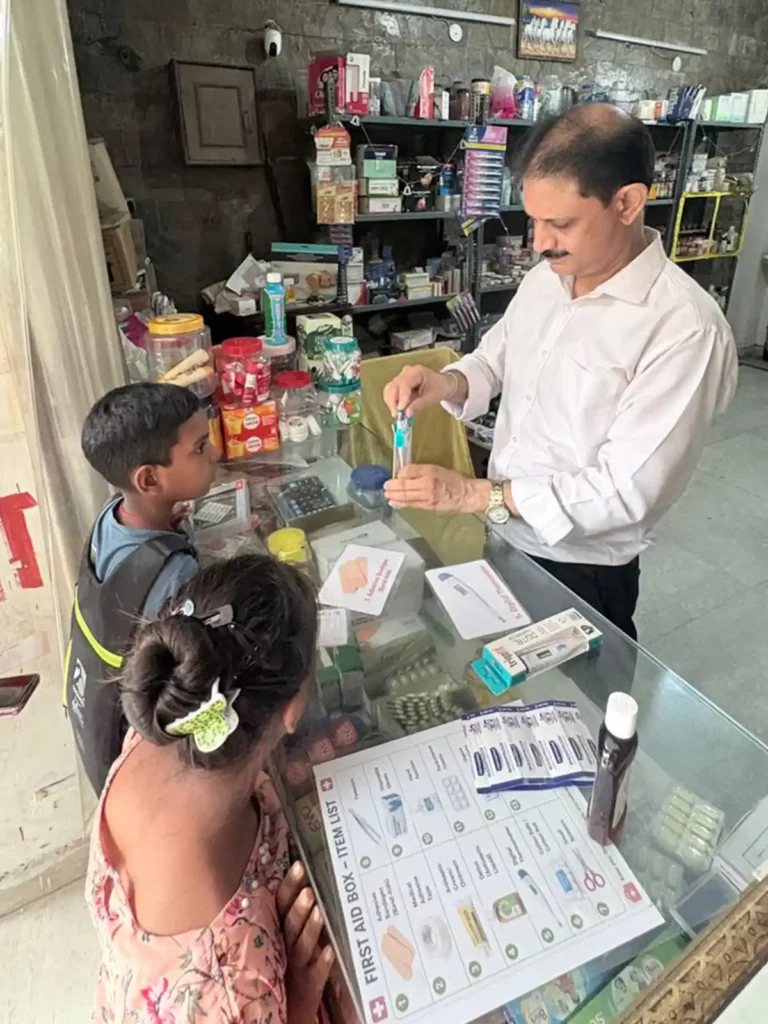
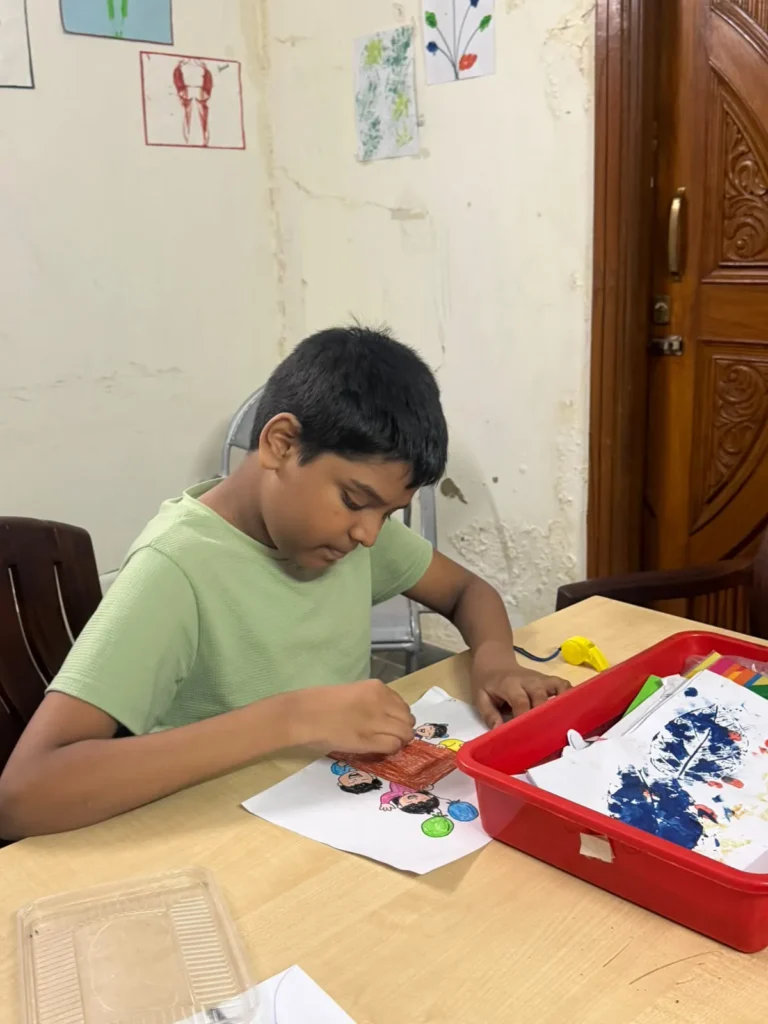
A PERSON-CENTRED QUESTION
“What kind of life does this person want, and what support will help make it possible?”
Australia’s National Disability Insurance Scheme (NDIS) puts this into practice: goals belong to the person, and can include becoming more independent, working or studying, participating in social and recreational activities, developing friendships, connecting with family, or learning everyday skills. The support system is meant to connect with those goals — not replace them.
From therapy goal to life goal
This is particularly relevant to disability services. The therapy or intervention may be identical — but the purpose is different. One is about completing a service. The other is about building a valued social role.
“Improve fine motor skills” → I want to prepare my own breakfast
“Improve communication skills” → I want to order my own food at a restaurant
“Improve community mobility” → I want to travel to my workplace independently
Why this matters for children too
The Human Service Client stereotype can begin very early. A child may grow up hearing: “She is in special education.” “He goes for therapy.” “She’s a special-needs child.” Over time, disability services can become the dominant framework through which the child is understood.
But a child is also a sibling, a friend, a classmate, a neighbour, a student, a cricket player, an artist, a curious explorer, a helper at home, a future employee, a future adult.
UNICEF highlights that children with disabilities are among the most marginalised and excluded groups, often facing barriers to education, healthcare, participation and having their views heard. The challenge is not to remove support — it is to ensure that support expands a child’s world rather than becoming their world.
What the law already says
The UN Convention on the Rights of Persons with Disabilities (CRPD) does not frame people with disabilities simply as recipients of care. Article 19 recognises the equal right of persons with disabilities to live in the community, make choices equal to others, access community support, and participate in ordinary community life. Support should not become a reason for segregation — it should become a bridge to participation.
India’s Rights of Persons with Disabilities Act, 2016, gives effect to the CRPD domestically, covering rights and entitlements, education, skill development, employment, social security, health, rehabilitation, recreation and community life. Section 13 specifically recognises the legal capacity of persons with disabilities on an equal basis with others, and requires support to respect their autonomy, dignity and privacy.
Support should answer: “How can we help you exercise your choices?” — not “How should we make choices for you?”
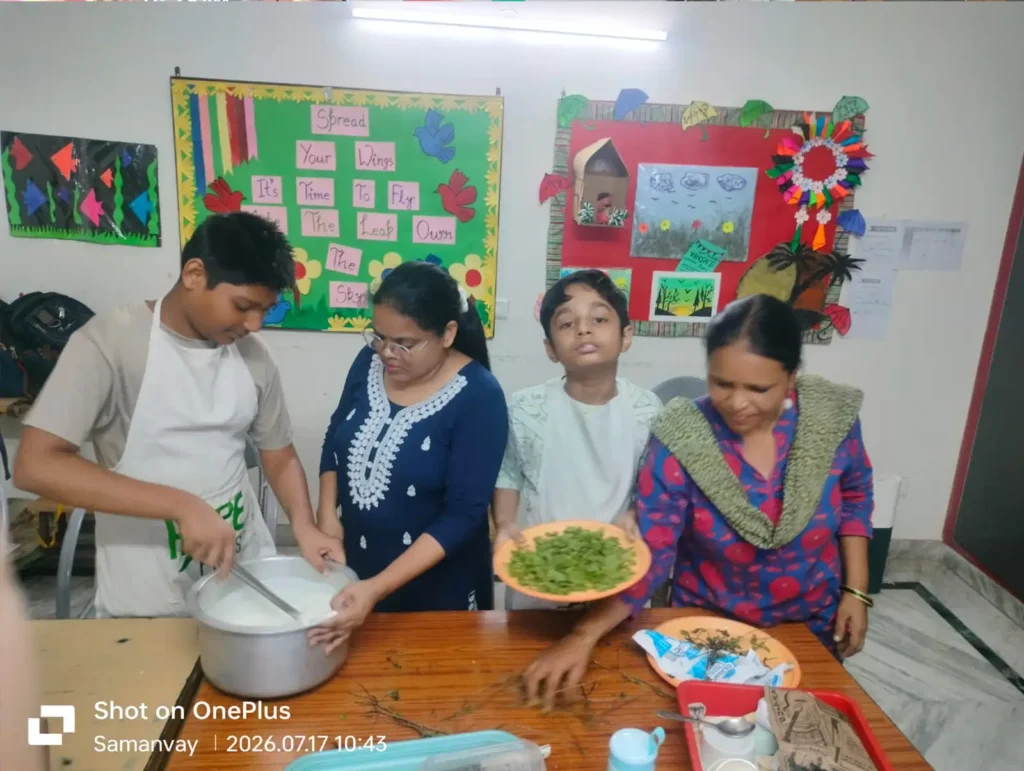
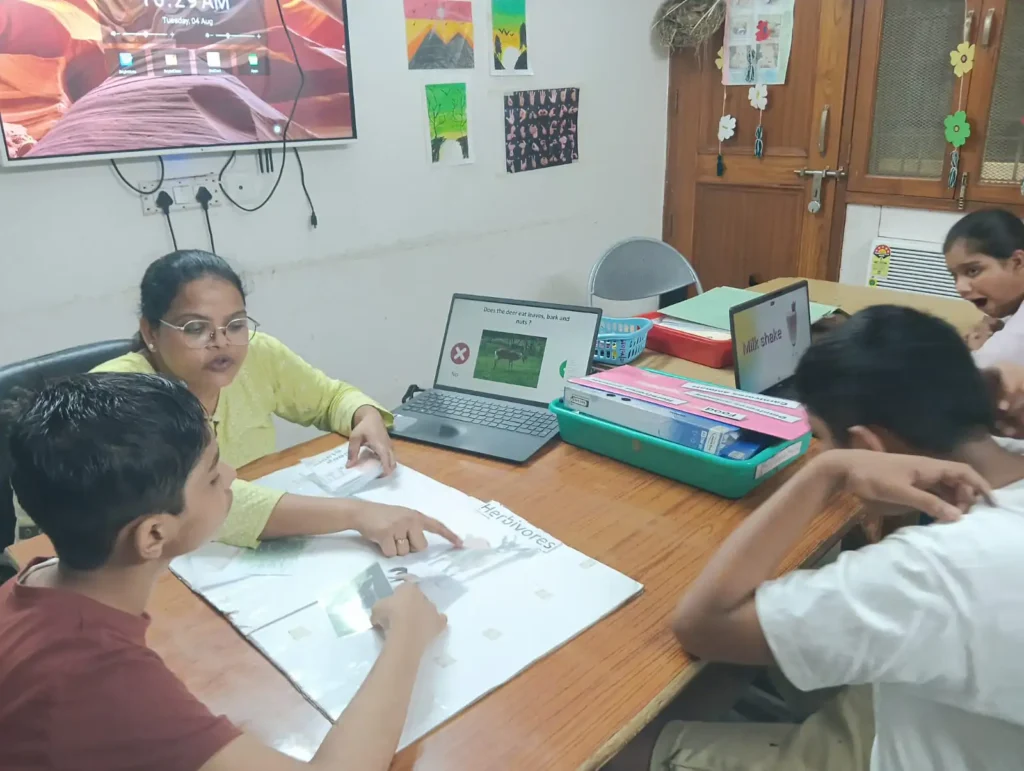
A person can be a service user and a citizen
These identities do not have to compete. The issue is not whether someone uses services — it’s whether the service relationship swallows every other role.
Therapy participant → + Friend
Vocational trainee → + Employee
Support recipient → + Neighbour
Student → + Leader
NDIS participant → + Community member
Receives disability services → + Citizen with rights
Employment shows the shift most clearly
TELLS US ABOUT A SERVICE
“He attends a vocational programme for adults with disabilities.” TELLS US ABOUT A SOCIAL ROLE
“He works in the bakery three days a week and is learning customer service.”
Employment can bring income, routine, responsibility, colleagues, contribution, recognition, skill development and community connection. The International Labour Organization has documented the economic cost of excluding persons with disabilities from work — estimating losses in selected developing countries at 3–7% of GDP.
Workplace inclusion programmes increasingly focus on what employees can contribute rather than simply what support they need. Autism Speaks’ Workplace Inclusion Now programme, for example, works with employers — including Wilson Sporting Goods — on inclusive recruitment and workplace practices that hold the same performance expectations as other employees, alongside appropriate accommodations.
Accommodation should enable participation — not create a separate identity.
What this looks like in everyday practice
The numbers still matter. But the life behind the number matters more.
The SRV test: does the service expand valued roles?
BEFORE — PRIMARILY KNOWN AS
Client · Patient · Beneficiary · Case · Service user AFTER — BECOMING VISIBLE AS
Employee · Student · Friend · Neighbour · Volunteer · Customer · Traveller · Artist · Athlete · Leader · Citizen
SRV emphasises that valued social roles are connected to the “good things of life”: relationships, respect, autonomy, meaningful work, contribution, development of abilities, and participation in valued community life. Service quality cannot be measured only by the quality of the service — we must also ask what kind of life the service is helping to create.
What can each of us do?
Families
Alongside “what therapy does my child need?”, also ask:
● Who are their friends? What do they enjoy?
● What responsibilities and choices can they take on at home?
● What community roles and work might they enjoy?
● How can we support — not replace — their decision-making?
The goal is not independence without support. The goal is supported autonomy.
Schools & disability services
● Are we building skills — or building lives?
● Are our goals written around deficits — or aspirations?
● Are people making choices about their own goals?
● Are we measuring attendance — or participation?
Person-centred planning guidance from the U.S. National Center on Advancing Person-Centered Practices and Systems recommends writing goals in the person’s own words, reflecting what they actually want — not simply attendance or provider expectations.
Professionals
● Speak directly to the person and ask their preferences.
● Explain before acting, and offer real choices.
● Avoid discussing people as though they are absent.
● Connect therapy goals to real-life aspirations.
● Facilitate relationships beyond paid support.
Most importantly: don’t become the most important relationship in someone’s life simply because you are the professional.
NGOs & funders
Instead of only reporting “we reached 100 beneficiaries,” also report outcomes like:
● 20 people gained employment
● 15 developed new community roles
● 30 increased participations in ordinary community activities
● 12 developed friendships outside the service setting
Funders can encourage this shift by asking about agency, participation, inclusion and relationships — not only sessions delivered.
THE ULTIMATE QUESTION
What happens when the service ends?
If a person stops attending a programme tomorrow — what remains?
Friends? A job? A hobby? Confidence? A role in their neighbourhood? Decision-making power? A sense of belonging?
If the answer is yes, the service has probably done something profound. It has not merely delivered support — it has helped build a life.
Beyond the label
This is not about banning the word client. It is about making sure it is never the final word. A person can be a client at 10 a.m. and a colleague at 11 a.m. A therapy participant in the afternoon and a friend in the evening.
Client → → Person
Case → → Individual
Beneficiary → → Citizen
Service user → → Community member
Special needs → → Support needs
But changing the noun without changing the relationship does not create inclusion. The deeper change is this:
● From doing things for people → to doing things with people.
● From deciding for people → to supporting people to decide.
● From managing services → to enabling lives.
● From measuring outputs → to measuring meaningful outcomes.
● From asking “what is wrong?” → to asking “what matters to you?”
A final reflection
Every person has a story that is bigger than the services they receive. A diagnosis may explain a support need. A therapy plan may describe an intervention. A case file may record information. A programme may provide opportunity. But none of these can fully describe a human being.
The person is still a friend, a sibling, a son or daughter, a colleague, a student, a neighbour, a customer, a volunteer, an artist, an employee, a leader, a citizen. A person.
The purpose of disability services should not be to make people better clients. It should be to help people have better lives.
Perhaps that is the question to carry into every classroom, therapy room, workplace, family meeting and service organisation: “When this person leaves our service, what valued role will they carry into the world?” That is where inclusion begins.
References & Sources:
1. Wolfensberger, W. (2000). A Brief Overview of Social Role Valorization. Mental Retardation, 38(2), 105–123.
2. Wolfensberger, W. (2013). A Brief Introduction to Social Role Valorization (4th ed.). Valor Press.
3. Social Role Valorization Theory — overview of social devaluation, valued social roles, autonomy and participation.
4. United Nations. Convention on the Rights of Persons with Disabilities (CRPD), Article 19: Living independently and being included in the community.
5. United Nations. CRPD — dignity, individual autonomy, non-discrimination, participation and inclusion.
6. Government of India. Rights of Persons with Disabilities Act, 2016.
7. Rights of Persons with Disabilities Act, 2016 — Section 13: Legal Capacity.
8. U.S. Administration for Community Living (ACL). Person-Centered Planning.
9. National Center on Advancing Person-Centered Practices and Systems (NCAPPS). Promising Practices for Person-Centered Plans.
10. NDIS — Australian Government. What Are Goals?
11. Inclusion International. Europe in Action 2026.
12. UNICEF. Children and Adolescents with Disabilities.
13. UNICEF Innocenti. (2026). Learning is For Everyone: Global Report.
14. International Labour Organization. The Price of Exclusion.
15. Autism Speaks / Workplace Inclusion Now — inclusive employment resources.
16. World Health Organization & World Bank. (2011). World Report on Disability