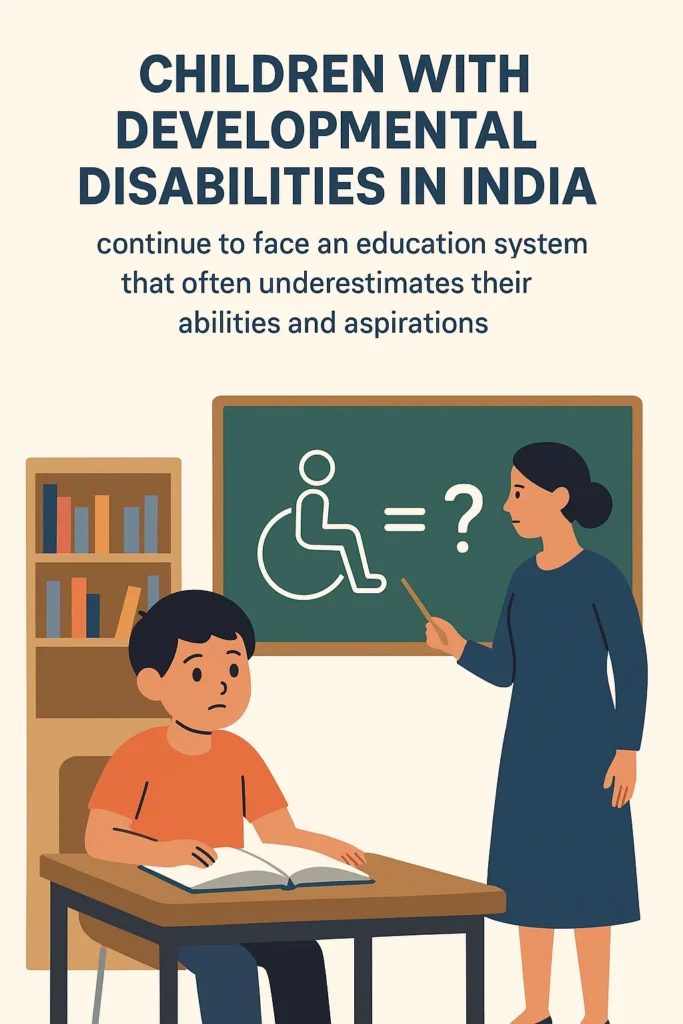
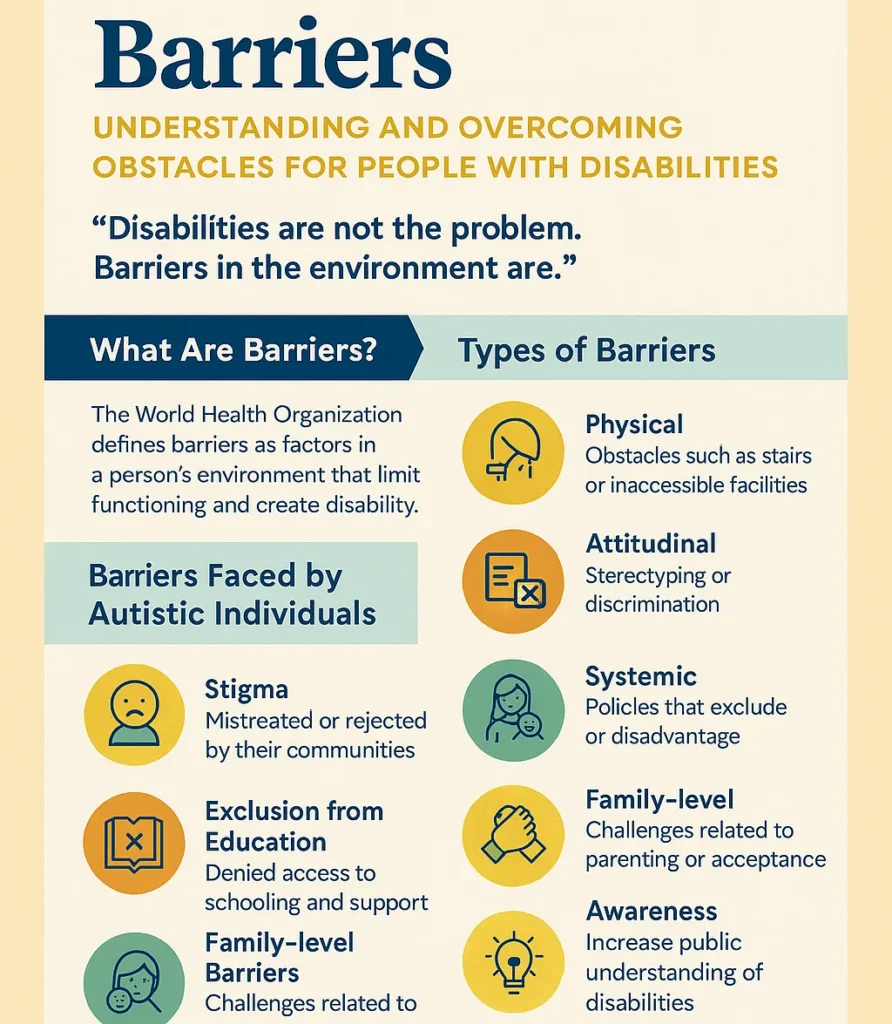
Children with developmental disabilities in India continue to face an education system that often underestimates their abilities and aspirations. A UNESCO report (2019) highlights that nearly 75% of children with disabilities in India do not attend regular schools, and among those who do, many encounter low expectations, restricted roles, and limited participation in community life. At Ashish Foundation, this reality prompted us to reflect deeply and ask a fundamental question: What if inclusion is not merely about placement in a classroom, but about access to dignity, valued social roles, and the good things of everyday life? The answer to this question led us to Social Role Valorization (SRV), a framework that reshaped our entire approach to education.
Introduced to SRV in 2017, our team began to understand inclusion through a different lens. Social Role Valorization emphasizes building valued social roles, strengthening competencies, enhancing social image, and creating real opportunities in real places. Research by Keystone Institute India (2022) underscores a critical truth: students with disabilities typically occupy far fewer valued roles than their neurotypical peers. This gap goes beyond social exclusion—it directly affects confidence, identity formation, and long-term independence. Recognizing this, we re-designed our curriculum around one guiding principle: every learning journey must lead to a valued social role.
To create a curriculum rooted in everyday life, we closely studied what “ordinary childhood” looks like in neurotypical schools. Children in mainstream settings routinely take on roles as leaders, artists, helpers, athletes, and friends. They perform on stage, join teams, visit community spaces, make choices, form friendships, and develop a sense of self. At Ashish Foundation, we deliberately mapped these same experiences for our students through structured routines, age-appropriate and culturally relevant activities, real-world learning environments, and meaningful integration into community settings.
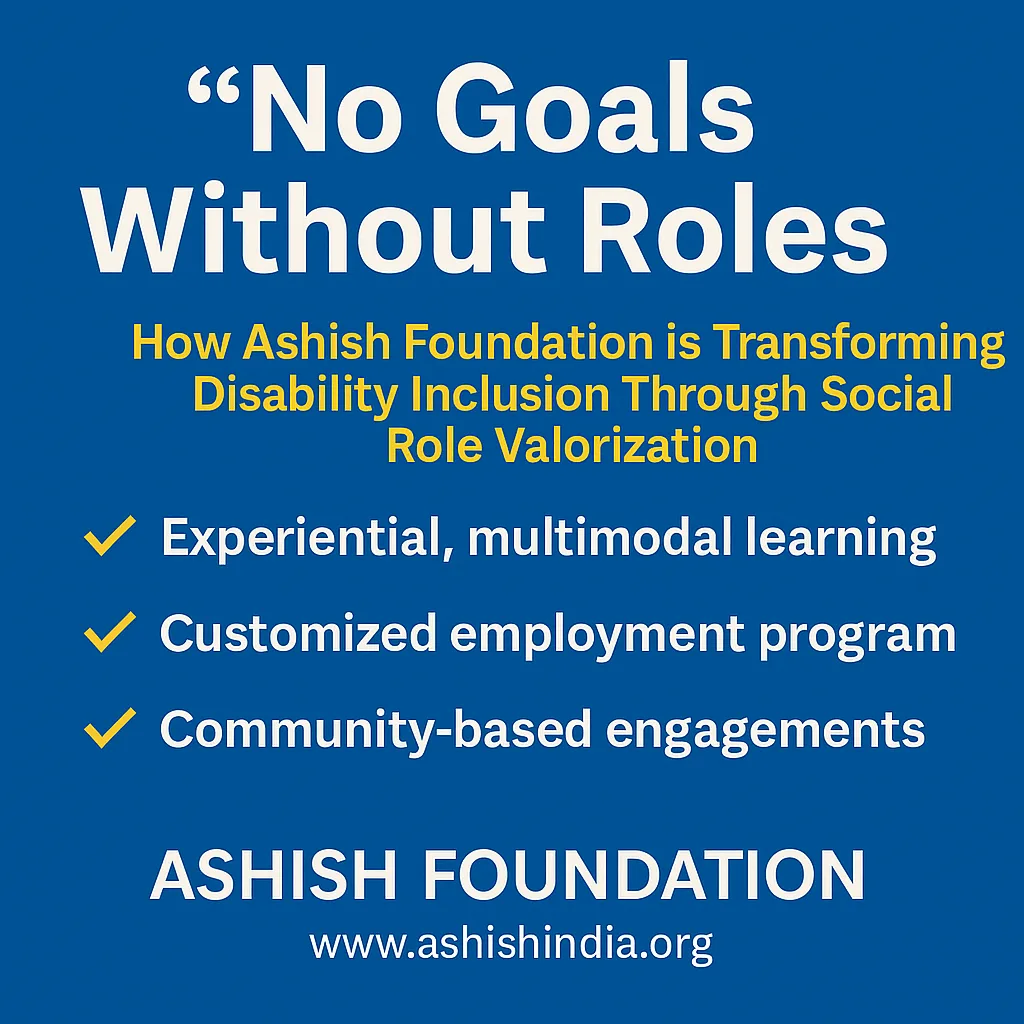
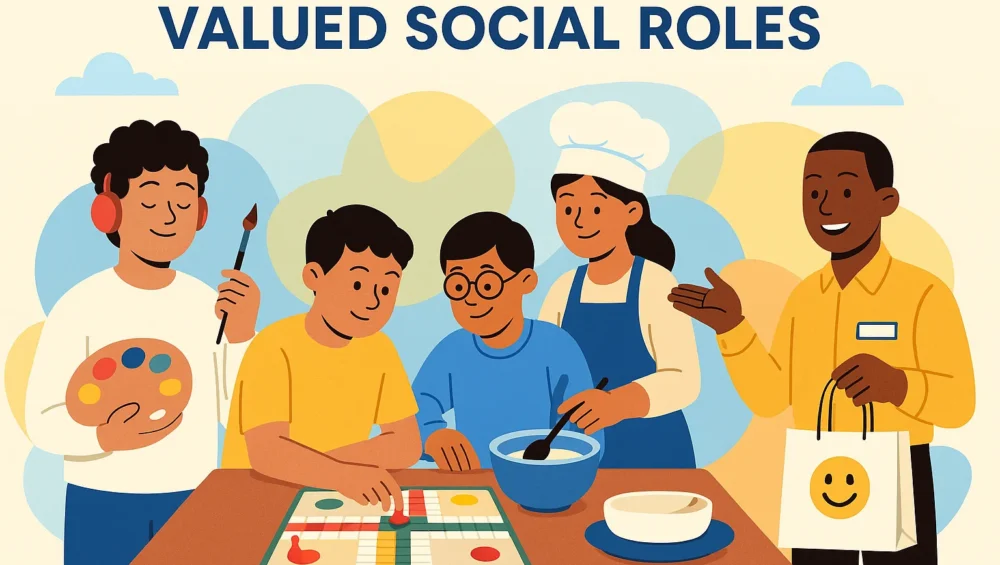
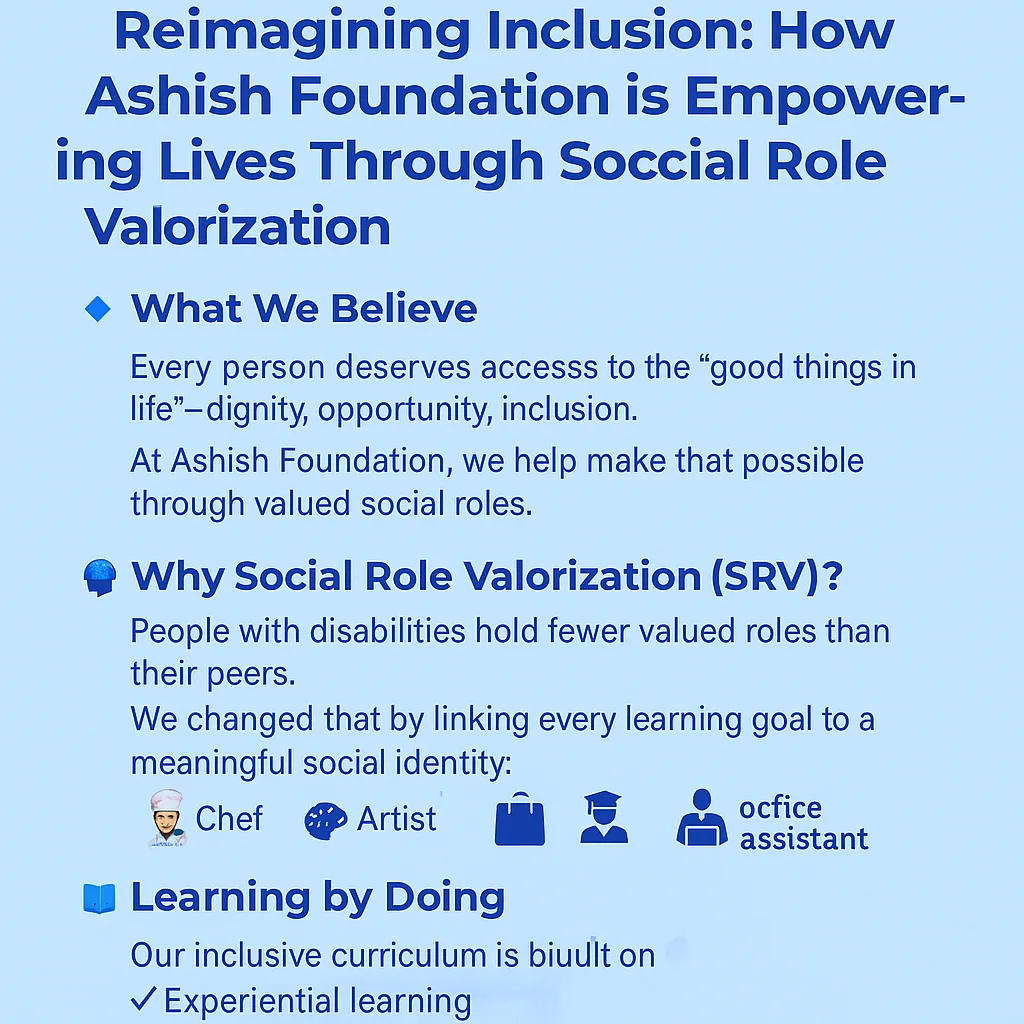
This shift fundamentally transformed how learning happens at Ashish. Experiential learning became central to our practice. Research shows that learning by doing can improve retention by up to 75% and significantly enhance problem-solving and emotional regulation. At our centre, cooking becomes an opportunity to step into the role of a chef, art leads to the identity of an artist, music nurtures pianists, shopping develops decision-makers, travel builds confident tourists, and group activities shape sportspersons and team leaders. As one teacher aptly shared, “Learning by doing helps students explore new things as active participants. Learning stays longer.”
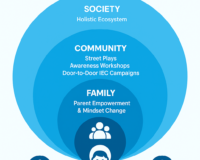
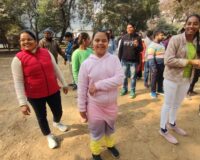
Community engagement further strengthens these roles. Students regularly participate in library visits, market outings, metro rides, public parks, and local events. Such exposure mirrors findings from the Journal of Autism and Developmental Disorders (2021), which show that community participation can increase independence by nearly 48%. Equally important is image enhancement—something SRV identifies as critical to dignity. By focusing on age-appropriate clothing, meaningful responsibilities, and ensuring students are seen in typical places alongside typical peers, we help shift societal perceptions and expand opportunities.
Today, the impact of this approach is clearly visible. Our students confidently take on roles such as actors, artists, chefs, tourists, sportspersons, pianists, decision-makers, and team leaders. Teachers report improved communication, emotional expression, and a greater sense of responsibility among students. Parents share that they see increased independence, richer social interactions, higher confidence, and the transfer of skills into home and community life.
Research supports what we witness daily. Studies indicate that structured social role opportunities can improve communication by up to 40%, boost self-esteem by 33%, and enhance peer engagement by 25%. At Ashish Foundation, assessments reflect this real-world growth. Instead of relying solely on worksheets, we prioritize observation-based performance assessments—evaluating whether a student can count money while shopping, explain steps of a task, or make simple independent decisions. Evidence shows that such functional assessments are stronger predictors of adult independence than traditional academic testing, while worksheets and quizzes continue to support tracking of comprehension and retention.
The relevance of Social Role Valorization is especially significant in the Indian context. With nearly eight million children with disabilities nationwide, only about 61% attend any form of schooling, and less than 1% receive structured preparation for adulthood. Opportunities for community engagement and valued roles remain rare. SRV directly addresses these gaps by focusing on competence, dignity, visibility, participation, and meaningful roles in everyday society—laying the foundation for genuine inclusion.
At Ashish Foundation, we believe the future of inclusive education must be built on roles, not labels. Every child in our programme is more than a learner—they are artists, chefs, musicians, decision-makers, travelers, friends, teammates, and valued members of their community. When students are given roles, they discover identity. And when they discover identity, they find purpose.
- There are several web resources important to Social Role Valorization. The central website for Social Role Valorization has many resources, a great deal of information, and a global training schedule, and can be found at www.socialrolevalorization.com.
- There is a legacy website for Dr. Wolfensberger at https://wolfwolfensberger.com/