Disability is not a marginal issue—it is a fundamental part of the human experience. Globally, over 1.3 billion people live with some form of disability. In India, official estimates suggest 26.8 million persons with disabilities, though the real number is likely much higher due to underreporting.
Within this population are millions of neurodivergent individuals, including people with autism and developmental disabilities. Their challenges are rarely about ability alone—they are shaped by systems that are not designed to include them.
This becomes especially visible in employment.
The Real Barrier: Systems, Not Capability
For many individuals with developmental disabilities, the key question is not “Can they work?” but:
“Are our workplaces designed to recognize their strengths?”
Despite growing awareness, employment outcomes remain deeply unequal. Autistic individuals, in particular, often have lower employment rates—even when they have strong qualifications.
This is largely because hiring systems continue to prioritize neurotypical communication styles, rather than actual job skills.
The Hidden Bias in Hiring
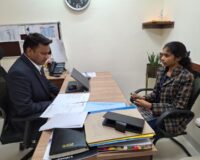
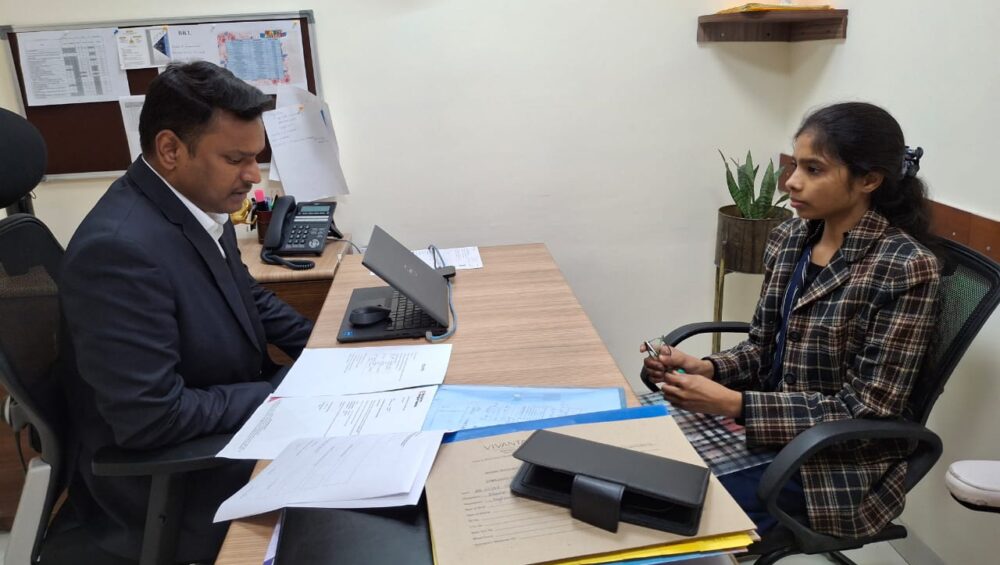
Traditional recruitment processes—especially interviews—can unintentionally exclude neurodivergent candidates.
Hiring decisions are often influenced by:
- eye contact
- tone of voice
- small talk and social fluency
- quick verbal responses
For autistic individuals, these may not come naturally—but they are also not indicators of job performance.
As a result, many capable candidates are screened out early. In effect, hiring systems often measure social conformity rather than competence.
Different Disabilities, Different Barriers
Employment experiences vary across developmental disabilities.
Some studies suggest that individuals with Down syndrome may have relatively higher rates of employment in structured roles. This may be linked to:
- greater employer familiarity
- more structured support systems
- clearer job pathways
However, employment rates remain low across all disability groups.
What this highlights is not comparison—but complexity.
Different disabilities face different kinds of barriers—and solutions must reflect that.
The “Genius” Myth in Autism Employment
Corporate neurodiversity hiring programs are a positive step—but they often come with a limitation.
Autistic individuals are frequently hired only for highly specialized roles, such as coding or data analysis, where they are expected to demonstrate exceptional or “genius-level” abilities.
This creates a harmful stereotype:
Autistic individuals are employable only if they are extraordinary.
In reality, autistic people have diverse strengths across fields like:
- hospitality
- retail
- administration
- arts and design
- logistics
When hiring systems focus only on exceptional talent, many capable individuals are excluded.
True inclusion requires recognizing a wide spectrum of abilities.
Employer Assumptions: The Unseen Barrier
Organizations working in disability employment often encounter hesitation from employers:
- “Will accommodations be difficult?”
- “Will supervision require extra effort?”
- “Will integration be challenging?”
These concerns are often based on limited awareness rather than evidence.
In reality, many workplace accommodations are simple, low-cost, and effective. Yet perception continues to shape opportunity.
Why Employment Matters
Employment is not just about income.
For persons with developmental disabilities, it is about:
- dignity
- independence
- identity
- social belonging
Historically, disability has been associated with roles such as dependency or care. But when individuals are seen as employees, contributors, and community members, perceptions begin to change.
Inclusion becomes visible—and meaningful.
The Role of Education
Barriers to employment often begin in education.
Many children with developmental disabilities face:
- lack of inclusive classrooms
- limited access to trained educators
- rigid learning environments
Early exclusion reduces future employment opportunities and limits independence.
Inclusive education is therefore critical—not just for learning, but for long-term participation in society.
Policy Progress—But Gaps Remain
India has taken important steps through the Rights of Persons with Disabilities Act, 2016, which promotes inclusive education, employment, and protection from discrimination.
However, the gap between policy and practice remains significant.
True inclusion requires not just legal frameworks—but shifts in mindset, systems, and everyday practices.
What Needs to Change
Creating inclusive employment opportunities requires rethinking how systems function.
1. Rethink Hiring
Move toward skill-based assessments and flexible evaluation methods.
2. Design Inclusive Roles
Adopt job carving and customized employment approaches.
3. Build Awareness
Train teams to understand and value neurodiversity.
4. Strengthen Support
Provide structured onboarding, mentoring, and workplace support.
5. Collaborate
Partner with organizations that specialize in disability inclusion.
The Role of Ashish Foundation
At Ashish Foundation, we work with children and young adults with autism and developmental disabilities to build pathways toward independence and meaningful livelihoods.
Through:
- life skills training
- vocational development
- family support
- community engagement
we aim to bridge the gap between potential and opportunity.
But lasting change requires collaboration—with employers, institutions, and communities.
From Sympathy to Citizenship
Disability inclusion is often framed through charity.
But real inclusion is about:
- rights
- participation
- dignity
The shift we need is clear:
- From charity → citizenship
- From care → contribution
- From dependence → participation
Join Us in Building Inclusive Workplaces
Creating meaningful employment opportunities for persons with developmental disabilities requires collective effort.
At Ashish Foundation, we prepare individuals for employment—but we also work to create ecosystems where inclusion can thrive.
You can be part of this change:
For Corporates & CSR Leaders
- Partner with us for inclusive employment initiatives
- Support vocational training and skill development
- Create job and internship opportunities
For Institutions & Organizations
- Collaborate on awareness, training, and inclusive programs
For Individuals
- Volunteer, mentor, or advocate for inclusion
Let’s Move from Intent to Action
Inclusion is not just about opening doors—it’s about ensuring people can walk through them with dignity.
Partner with Ashish Foundation to create pathways to meaningful employment and true inclusion.
Write to us at: admin@ashishfoundation.co.in