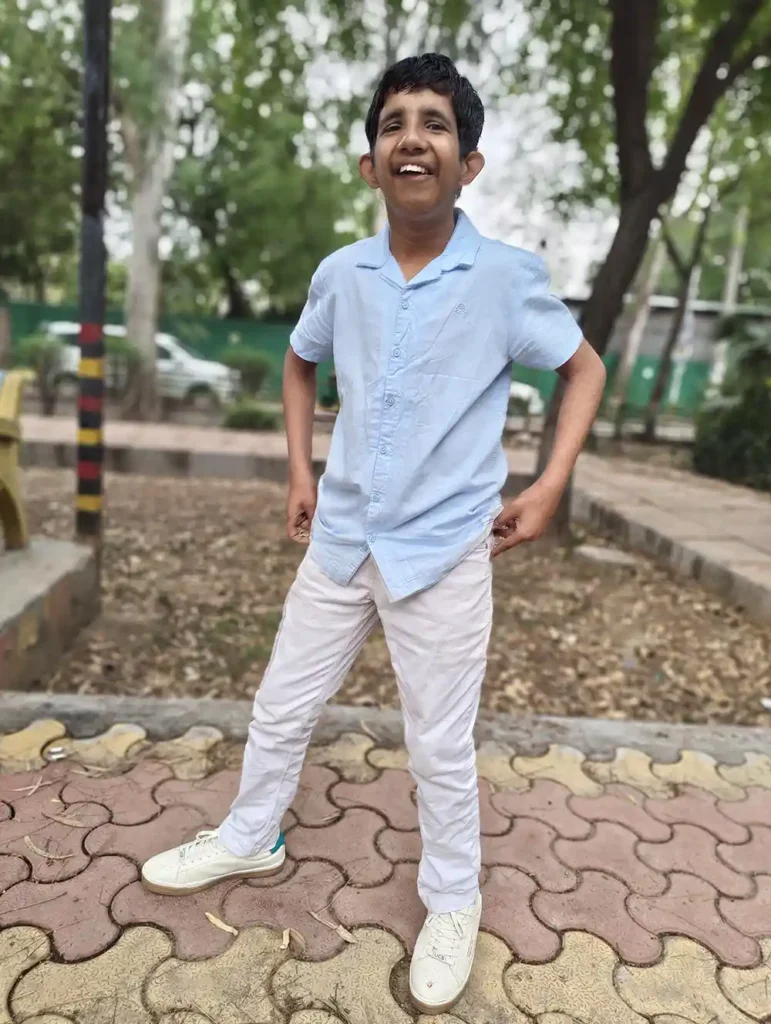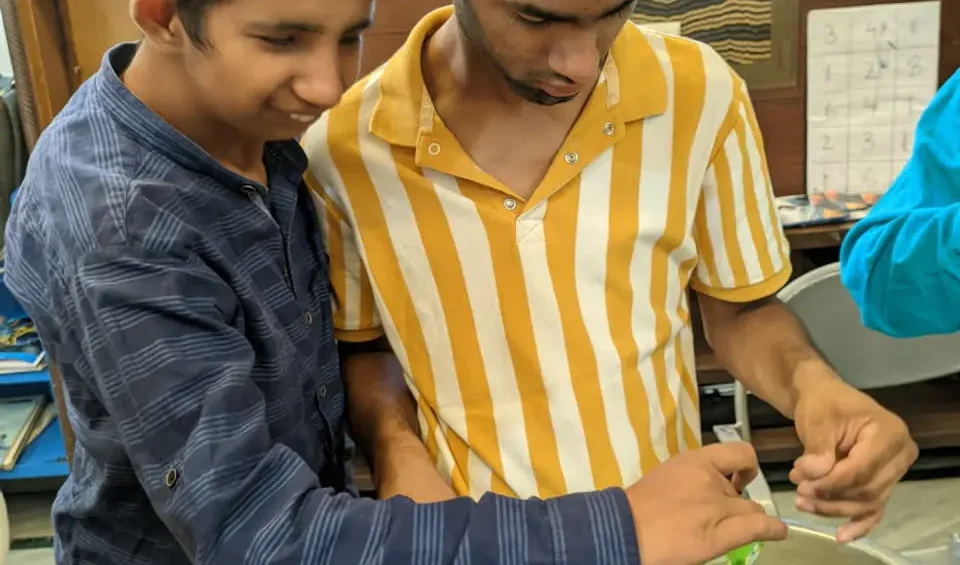
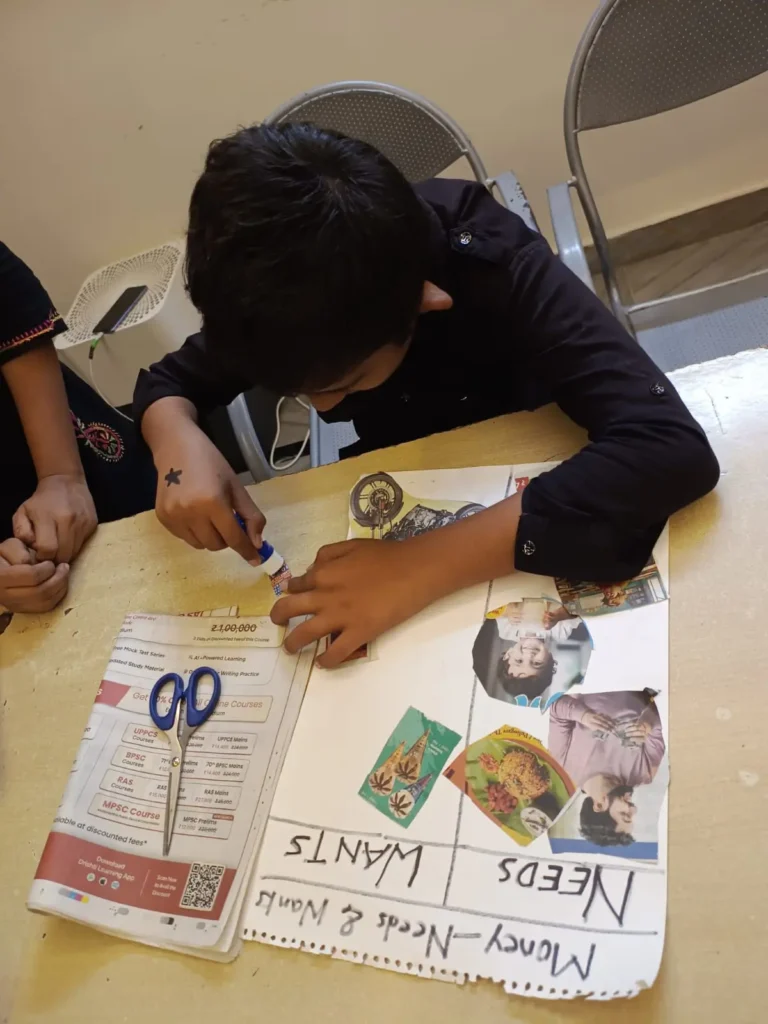
Vansh’s journey began with uncertainty. Born as a premature baby, his early years were marked by developmental delays, especially in walking and speech. Like many children with developmental disabilities, he struggled to communicate his needs and emotions, often relying on others to make decisions for him. His world was shaped not by what he wanted, but by what others assumed he needed.
When Vansh first joined Ashish Foundation in 2015, he was still learning how to navigate the world around him. His journey, however, was not linear. After a break in 2020, he returned in 2023—this time to a more intentional, supportive environment that looked beyond his challenges and focused on who he truly is.
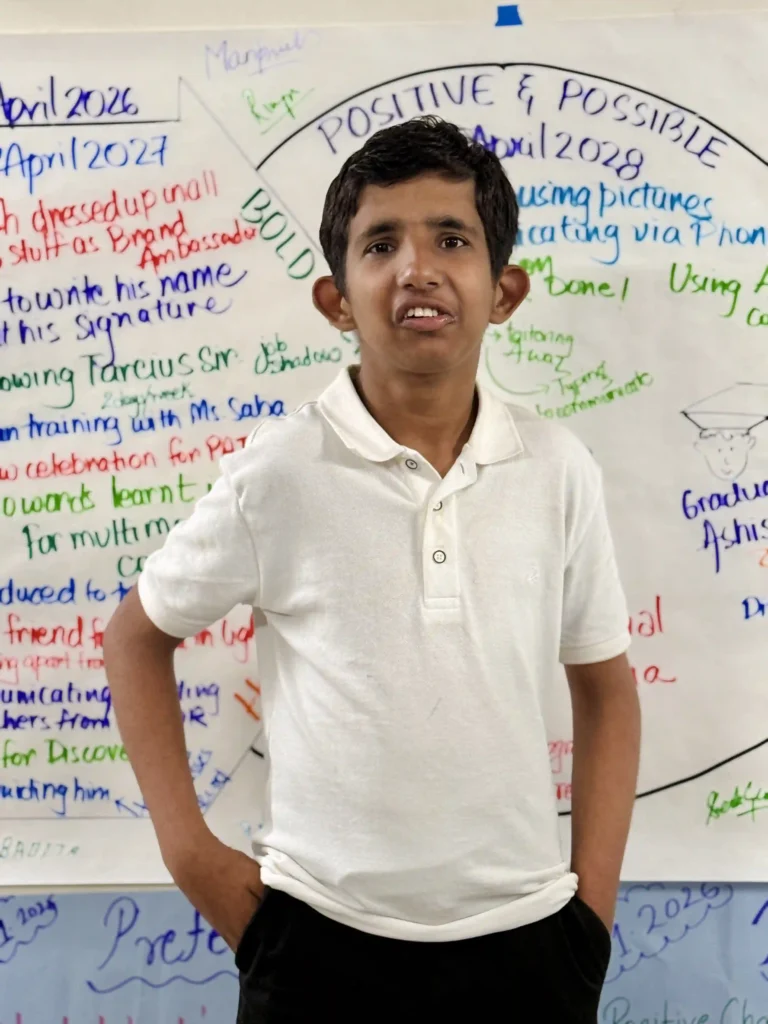
Through person-centered planning approaches like MAPS and PATH, Vansh began to be understood differently. Instead of focusing on limitations, the process uncovered his personality, preferences, and aspirations. Vansh is someone who enjoys attention, values relationships, and thrives in spaces where he feels included and respected. Though verbal communication remains a challenge, he expresses himself through gestures, pictures, and a deep emotional awareness—often sensing what others feel even without words.
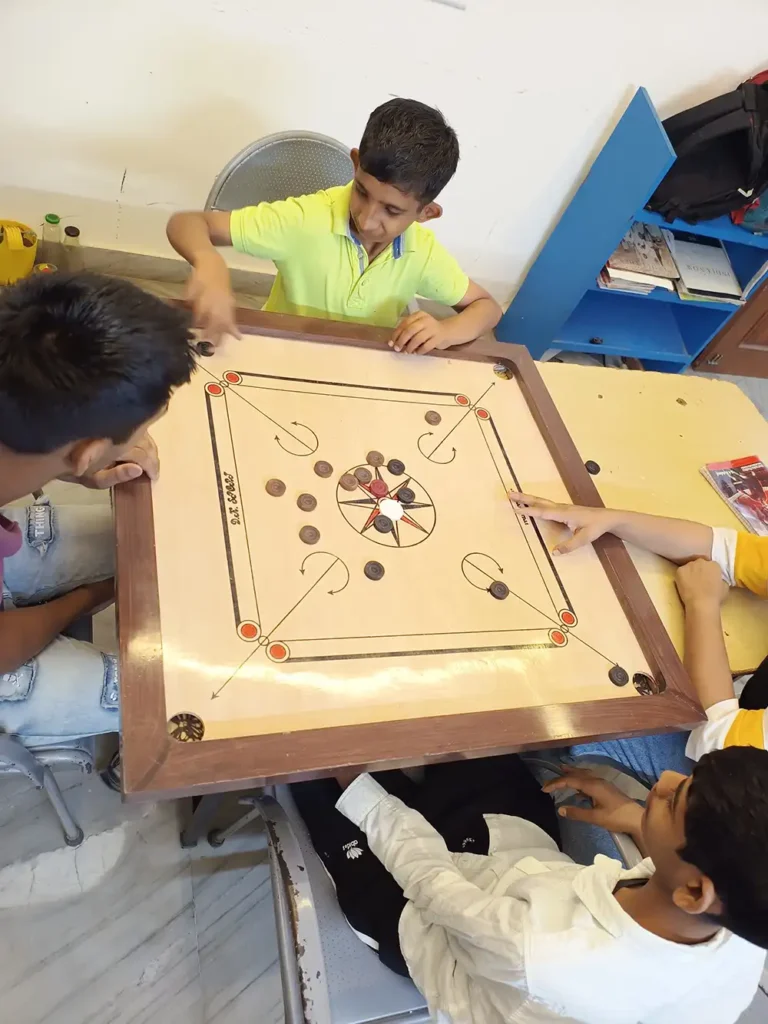
Before this structured support, Vansh often experienced frustration that led to anger. His social interactions were limited, and many choices in his life were made on his behalf, increasing his risk of isolation. But with consistent engagement, alternative communication methods, and a supportive environment, meaningful change began to emerge.
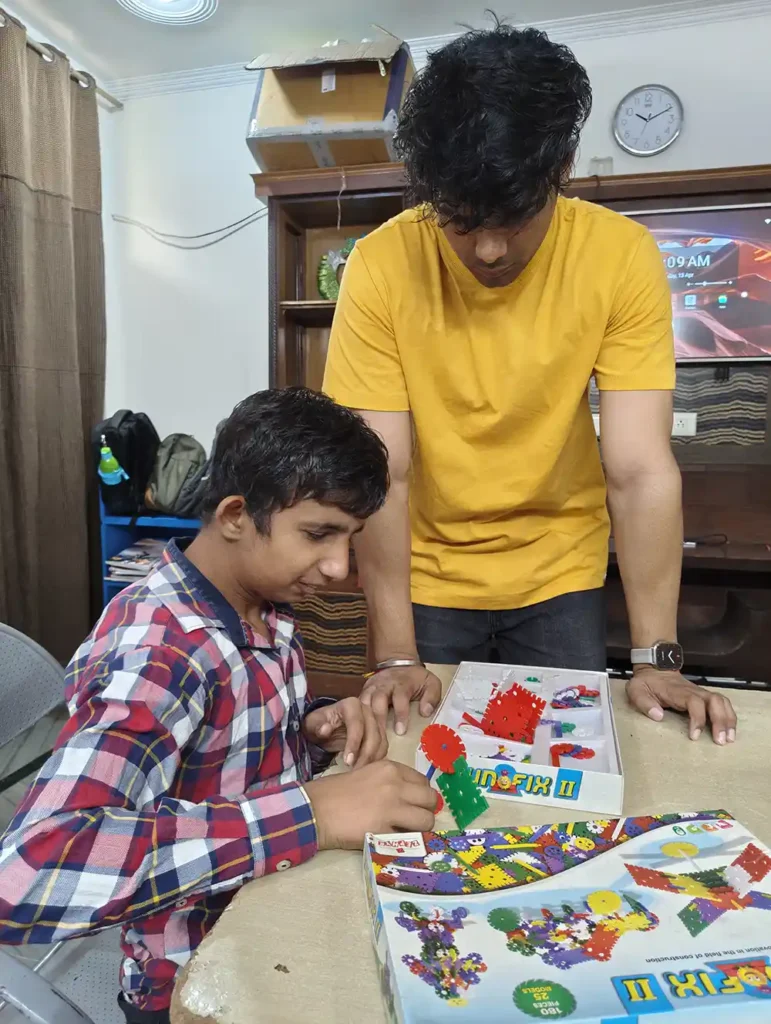
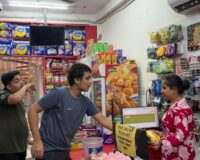
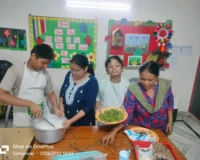
Today, Vansh is slowly but surely finding his voice. He is learning to express himself using pictures and gestures, making choices in his daily life—from what he wants to wear to the activities he enjoys. His frustration is reducing, replaced by more positive engagement. He is building relationships with peers, family members, and facilitators, and participating more actively in group settings. Most importantly, he is no longer just present—he is involved.
As Vansh grows, so do his dreams. He aspires to work, particularly in areas like logistics, delivery, or hands-on mechanical tasks. He shows interest in photography and seeks meaningful friendships and connections. Like any young person, he wants a life of dignity, independence, and identity.
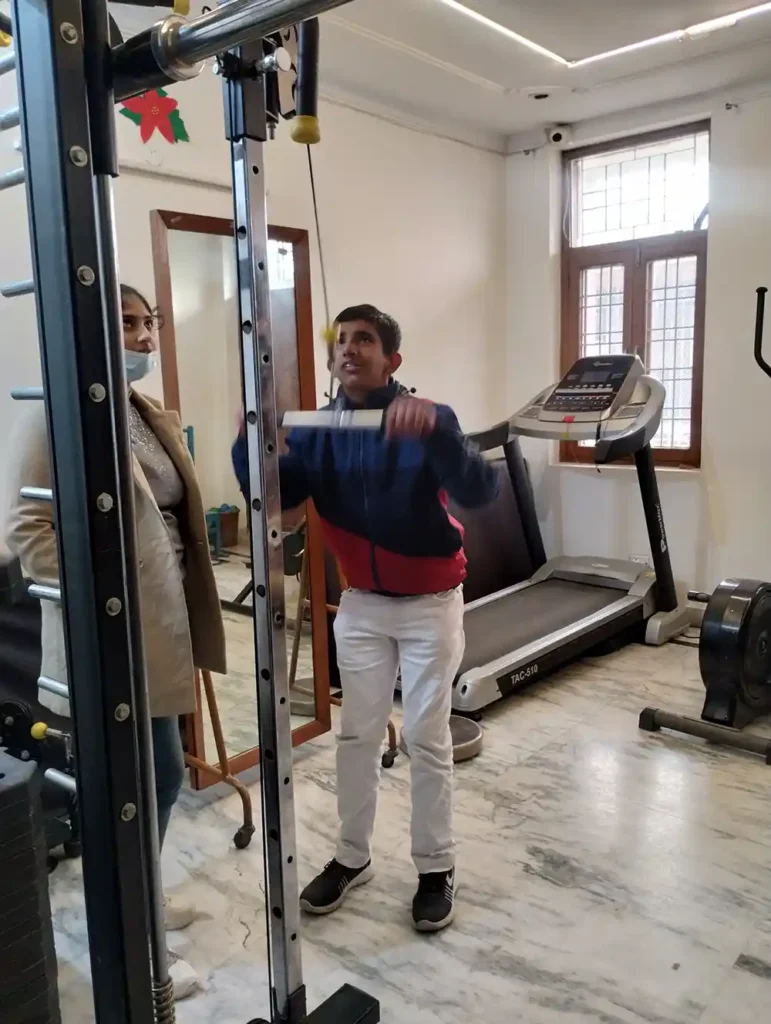
This transformation did not come from a single intervention, but from a collective effort—person-centered planning that listens to his voice, consistent therapeutic and educational support, strong family involvement, and an inclusive environment that respects his individuality.
Vansh’s journey is still unfolding. He continues to work towards greater independence and communication, but the shift is already clear. He is no longer navigating a world that speaks for him—he is part of one that is learning to listen.
His story reminds us that real change begins when we stop trying to “fix” individuals and start understanding and supporting them for who they are.