When a child’s needs do not fit into conventional systems, families are often left to navigate uncertainty alone. Vatsal’s journey began in such a space—shaped by his mother’s determination to understand, support, and believe in her son. Over time, that belief was strengthened and sustained through structured, role-focused support at Ashish Foundation, where care evolved into capability and presence into participation.
Born in 2001 in Patna, Vatsal’s early development appeared typical. He spoke a few words until around one and a half years of age, after which his speech gradually reduced. Subtle changes in communication and behaviour became more visible as he grew older. It soon became clear that a mainstream school environment could not adequately respond to his needs. During this period of uncertainty, his family—particularly his mother—chose not to withdraw, but to adapt.
Refusing to accept a purely custodial role, Vatsal’s mother actively rebuilt her own capacity to support him. In 2006, she completed a diploma in autism, equipping herself with knowledge and strategies to guide her son. For nearly eight years, she structured Vatsal’s learning and daily routines at home with exceptional patience and consistency. These years were critical in building emotional security, predictability, and trust—foundational elements for any meaningful development.
Before joining Ashish Foundation, Vatsal experienced high levels of hyperactivity and aggression, particularly during moments of sensory or emotional overload. Being non-verbal and socially withdrawn, he was often seen only through the lens of limitation. He preferred quiet, cool environments, found mobility challenging, and required significant support to remain regulated. At this stage, his social role was largely confined to that of a dependent individual, with limited opportunities for participation beyond the home.
In 2014, Vatsal joined Ashish Foundation, marking a significant shift in his life. This transition was approached with sensitivity and patience. Rather than attempting to “fix” behaviours, the team focused on creating a safe, predictable environment where Vatsal could gradually experience himself in valued social roles—a core principle of Social Role Valorization (SRV).
Regular attendance itself became an important role. With consistent routines, familiar staff, and calm spaces, the centre transformed into a place of comfort rather than stress. Vatsal began to engage as a learner, participating in structured classroom activities and therapy sessions at his own pace. Speech and occupational therapy supported functional communication, enabling him to use a few words and occasional two-word expressions—small but meaningful steps toward self-expression and agency.
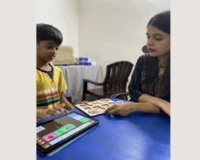
Technology emerged as another powerful medium for engagement. With guidance from the computer teacher, Vatsal learned to use an iPad and developed a strong interest in puzzle-based activities. This interest was reinforced at home, where his family provided a tablet, creating continuity between environments and strengthening his identity as a capable, focused learner.
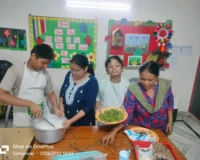
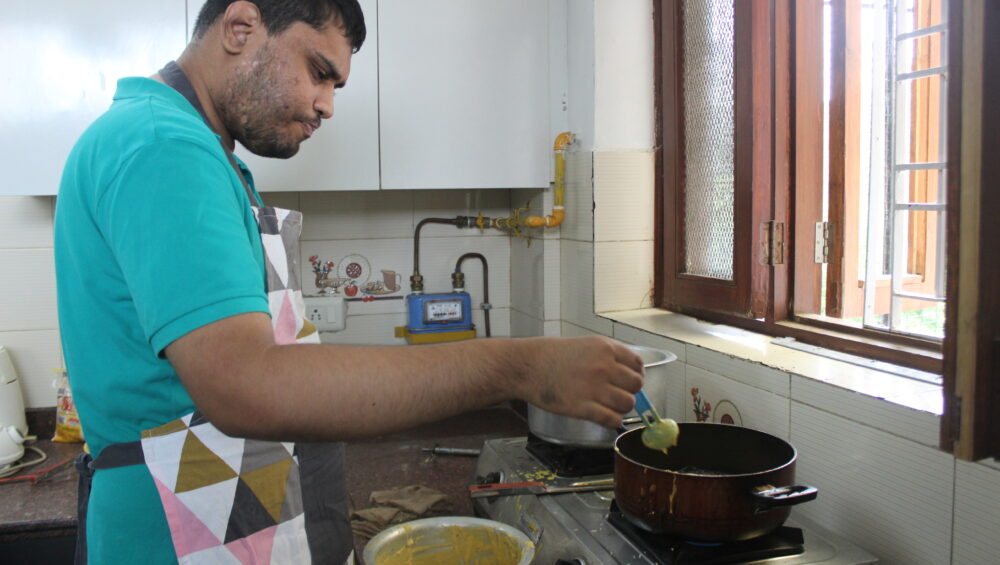
As his regulation and attention improved, Vatsal was gradually introduced to structured vocational and daily-life activities such as packing, labelling, chopping, and filing. While some tasks were completed partially, the emphasis was not on perfection but on participation and contribution. These activities supported the development of routine, engagement, and purpose—allowing Vatsal to occupy the role of a worker-in-training, rather than a passive recipient of care.

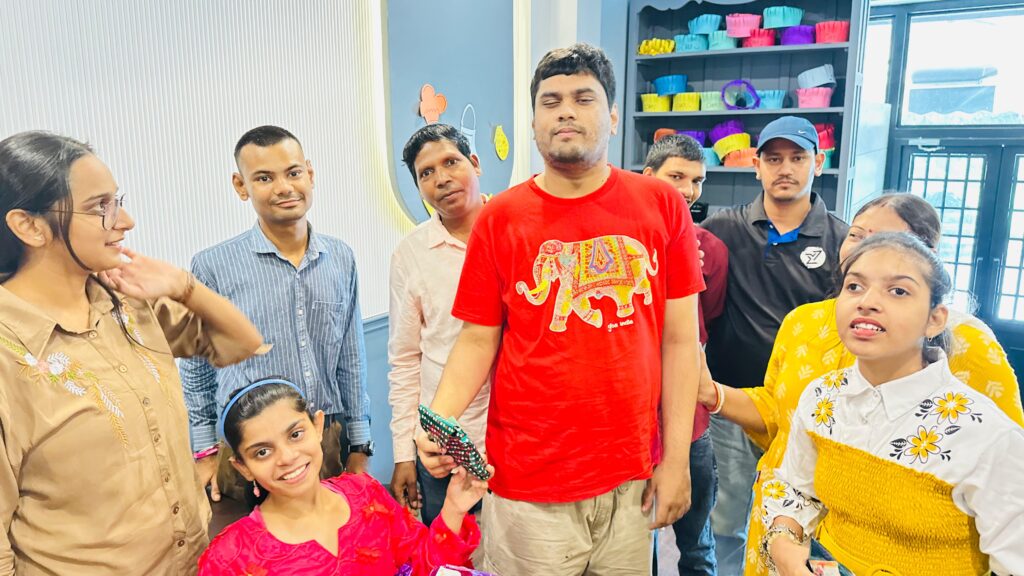
Over time, tangible changes became evident. His aggression reduced significantly, his sitting tolerance increased, and his ability to remain engaged for longer periods improved. He began participating in annual functions—public, socially valued events that reinforced his role as a participant and performer within a community. In the last two years, his involvement in these events became more active and confident.
One of the most powerful milestones in Vatsal’s journey has been his participation in a half marathon—twice. This experience redefined perceptions, both for his family and the wider community. From being seen primarily through his challenges, Vatsal emerged in the role of an athlete, demonstrating endurance, regulation, and quiet determination. Such role transformation lies at the heart of SRV—countering devaluation by creating opportunities for socially valued participation.
For Vatsal’s parents, these changes have been deeply affirming. Seeing their son calmer, more engaged, and meaningfully involved has replaced uncertainty with hope. They express profound gratitude to the Ashish Foundation team for their sensitivity, consistency, and belief in Vatsal’s potential. Their trust reflects a shared commitment to continue nurturing his growth within a framework that prioritizes dignity and inclusion.
Vatsal’s story is not defined by dramatic change, but by steady progress and intentional role building. It demonstrates how, when individuals with disabilities are supported to occupy valued roles—learner, contributor, participant, and athlete—their quality of life expands in meaningful ways. Rooted in the principles of Social Role Valorization, his journey reminds us that true inclusion is achieved not through protection alone, but through belief, opportunity, and the dignity of participation—one small step at a time.